





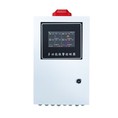

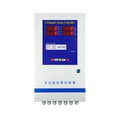
To ensure the accurate and reliable performance of H2S gas analyzers, regular maintenance and calibration are essential. In this article, we will explore some key tips and best practices for maintaining and calibrating H2S analyzers to maximize their effectiveness in monitoring hydrogen sulfide levels.
Follow Manufacturer's Guidelines:
Adhere to the manufacturer's guidelines and recommendations for maintenance and calibration procedures specific to your H2S gas analyzer model. These guidelines are designed to optimize the performance and longevity of the analyzer and should be followed diligently.
Regular Sensor Inspection:
Inspect the it's sensors for any signs of physical damage, corrosion, or contamination. Clean the sensor surfaces according to the manufacturer's instructions, ensuring they are free from dirt, dust, or other substances that may affect their sensitivity or accuracy.
Calibration Schedule:
Establish a regular calibration schedule for your H2S gas analyzer. Calibration intervals can vary based on the manufacturer's recommendations, environmental conditions, and regulatory requirements. Typically, calibration is performed every 3 to 6 months, but it's important to consult the specific guidelines provided by the manufacturer.
Certified Calibration Gas:
Use certified calibration gas cylinders specifically formulated for H2S analyzers. These gas cylinders contain a known concentration of H2S gas, allowing you to calibrate the analyzer accurately. Ensure that the calibration gas is not expired and matches the calibration range of your analyzer.

Calibration in Controlled Environment:
Calibrate the it in a controlled environment with stable temperature and minimal air disturbances. Avoid performing calibration in areas with high H2S concentrations or potential sources of interference that could affect the calibration process.
Document Calibration Results:
Maintain a comprehensive record of all calibration activities, including the date, time, calibration gas concentration, and results. This documentation provides a historical reference and aids in tracking the performance of the analyzer over time. It can also serve as evidence of compliance with regulatory requirements.
Regular Performance Verification:
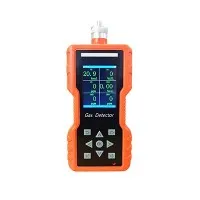
Perform periodic performance verification checks on the portable h2s gas analyzer between calibrations. This helps ensure the analyzer continues to provide accurate readings. Use a bump test kit or a certified gas source at a known concentration to verify the analyzer's response and compare it against expected values.
Replace Sensors as Needed:
Monitor the sensor lifespan and replace them according to the manufacturer's recommendations or if they show signs of deterioration. Aging sensors may lose sensitivity and accuracy, compromising their reliability of it.
Proper maintenance and regular calibration are vital for maintaining the reliability and accuracy of H2S gas analyzers. By following these tips and adhering to the manufacturer's guidelines, you can ensure the consistent performance of the analyzer and enhance workplace safety by effectively monitoring hydrogen sulfide levels.