

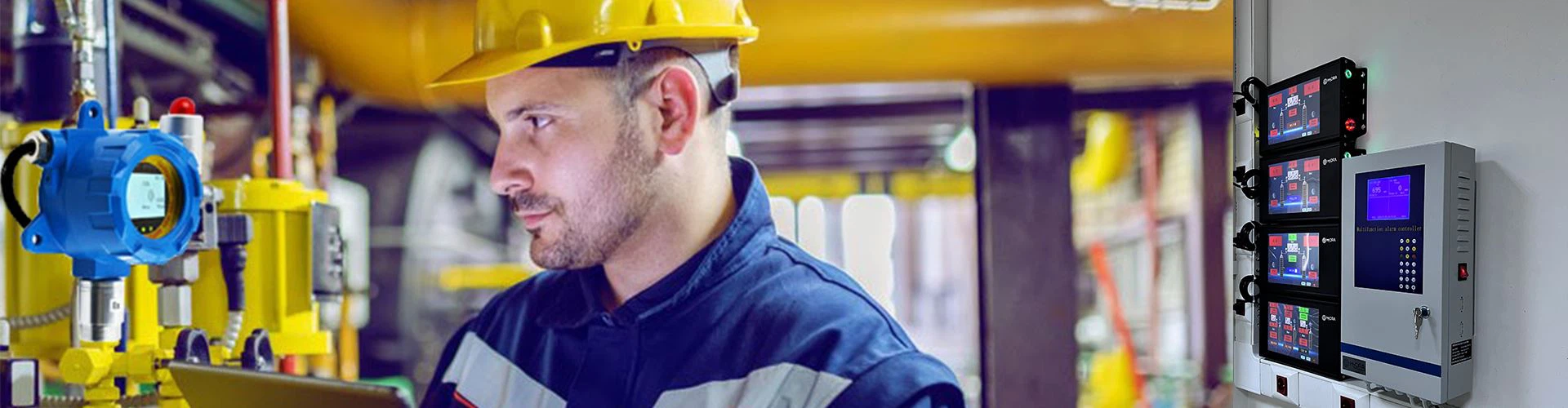


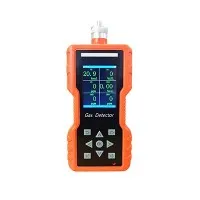


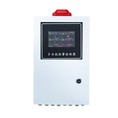

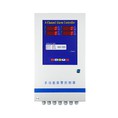
A combustible gas leak detector is designed to detect the presence of various flammable gases in the environment. While specific detectors may have different capabilities, they generally can detect gases such as methane (CH4), propane (C3H8), butane (C4H10), natural gas, hydrogen (H2), gasoline vapors, and many other hydrocarbons.
During the detection process, several situations may occur depending on the specific conditions and the detector's features:
1. Gas Leak Detection: The primary function of a combustible gas leak detector is to identify the presence of a gas leak. When the detector senses a certain concentration of flammable gas in the air, it triggers an alarm to alert the user. This can be a visual, audible, or vibration-based alert, depending on the design of the detector.
2. Concentration Measurement: Some detectors provide the ability to measure and display the concentration of the detected gas. This feature allows users to assess the severity of the gas leak and take appropriate action. The concentration may be displayed in parts per million (ppm) or as a percentage of the lower explosive limit (LEL).
3. Alarm Thresholds: Combustible gas detectors often allow users to set adjustable alarm thresholds. These thresholds determine the gas concentration levels at which the detector will trigger an alarm. Users can customize these thresholds based on their specific safety requirements or regulatory standards.

4. Response Time: Each gas detector has a specific response time, which is the time it takes for the sensor to detect a gas and activate the alarm. It's important to be aware of the response time, as it can vary between different models and impact the speed at which a potential gas leak is detected.
5. False Alarms: Combustible gas detectors can occasionally trigger false alarms due to various factors. These may include environmental conditions such as high humidity, temperature extremes, or the presence of other substances that can interfere with the detection process. Regular maintenance and calibration can help minimize false alarms.
6. Safety Precautions: When a combustible gas leak is detected, it is essential to follow appropriate safety procedures. This may involve evacuating the area, ventilating the space to reduce gas concentration, shutting off potential ignition sources, and contacting relevant authorities or emergency services.
It's important to note that the specific situations and features during the detection process can vary based on the model and manufacturer of the combustible gas leak detector. Always refer to the user manual or consult with the manufacturer for detailed information about the detector's capabilities and proper usage guidelines.