






The battery room is a compartment where batteries are stored. According to the working principle of the lead-acid battery, the positive active substance of lead-acid storage is lead dioxide, the negative active substance is sponge lead, and the electrolyte is dilute sulfuric acid solution. When charging to 70% ~ 80% of the electricity, the positive electrode begins to produce oxygen, and when the charging is basically completed by about 90%, the negative electrode begins to produce hydrogen. Hydrogen is a flammable and explosive class A substance, the explosion limit in the air is 4.1% ~ 74.1%, the ignition temperature is about 450 ° C, so the concentration of hydrogen in the charging room is easy to reach the explosion limit, and the ignition source will produce explosion.
The explosion limit range of hydrogen is large, when it is mixed with chlorine gas, it can explode when exposed to heat or sunlight; If mixed with fluorine, it explodes immediately. Its ignition energy is very small, only 0.019mJ, very small open flame, such as acrylic, dacron and other clothes due to friction caused by electrostatic sparks, can cause explosion, in addition to violent impact will also cause explosion. Therefore, power plants and substations equipped with lead-acid batteries should install hydrogen detectors to monitor the concentration of hydrogen in the battery room at all times.

The measures for fire and explosion prevention in the lead-acid battery room are as follows:
1. Strengthen the ventilation of the battery room
In order to prevent the accumulation of explosive hydrogen in the battery room, adequate ventilation facilities should be set up in the room so that the hydrogen content in the battery room will not reach the degree of explosion danger.
2. Prevent hydrogen discharge from dead corners of the battery chamber
Because hydrogen is lighter than air, most of it accumulates under the ceiling. Therefore, the ceiling of the battery room should not be breathable. When the ceiling is divided into several sections by the girder of the floor, hydrogen is easy to accumulate in the space between the beam and the beam. Therefore, each file must have a fan to discharge the hydrogen stored in the upper part of the neutral.
3. Explosion-proof electrical appliances should be used indoors
In order to prevent the explosion caused by electric spark, explosion-proof electrical appliances should be used in the battery room. Such as electrical switches, pins, sockets, fuses, etc. are explosion-proof appliances that do not produce sparks. Explosion-proof lamps should be used for the lighting of the battery room, and lead wire should be used for the lighting.
4. Install a gas detection alarm
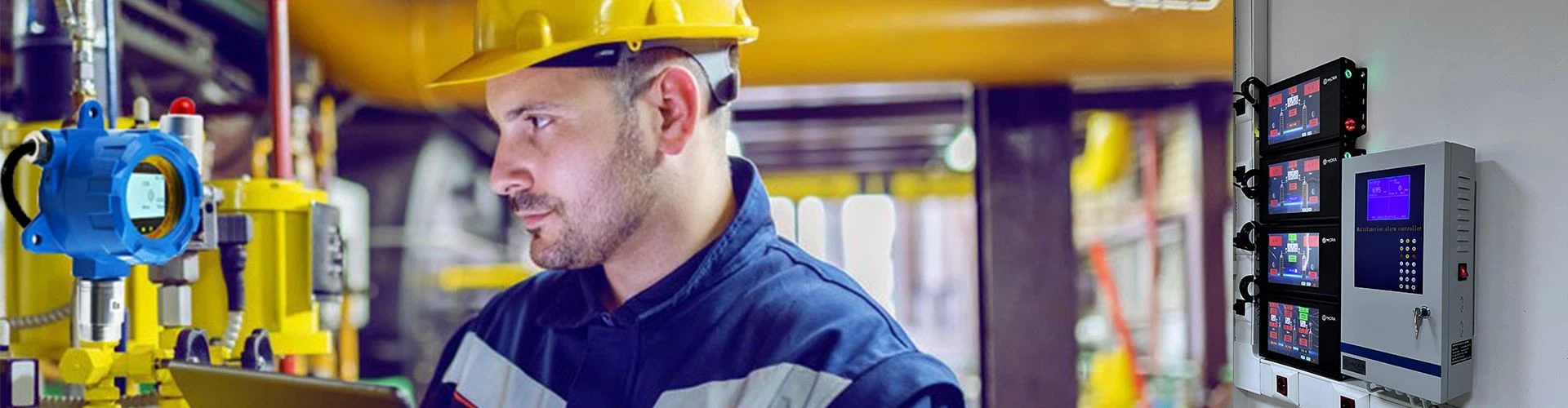
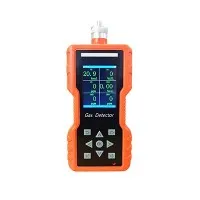
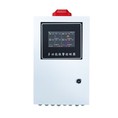
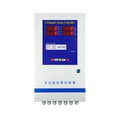
Hydrogen detection alarm is focused on detecting hydrogen leak concentration alarm device, is composed of gas alarm controller and gas detector two parts, gas detector installed in the gas leak detection site, through the core component gas sensor, to achieve real-time detection of gas concentration, can also work independently. The gas alarm controller can be placed in the duty room, receive the concentration detected by the gas detector, and realize the concentration display and sound and light alarm function after the concentration exceeds the standard, and can link the exhaust fan, upload the PLC, DCS, fire protection system, etc.