

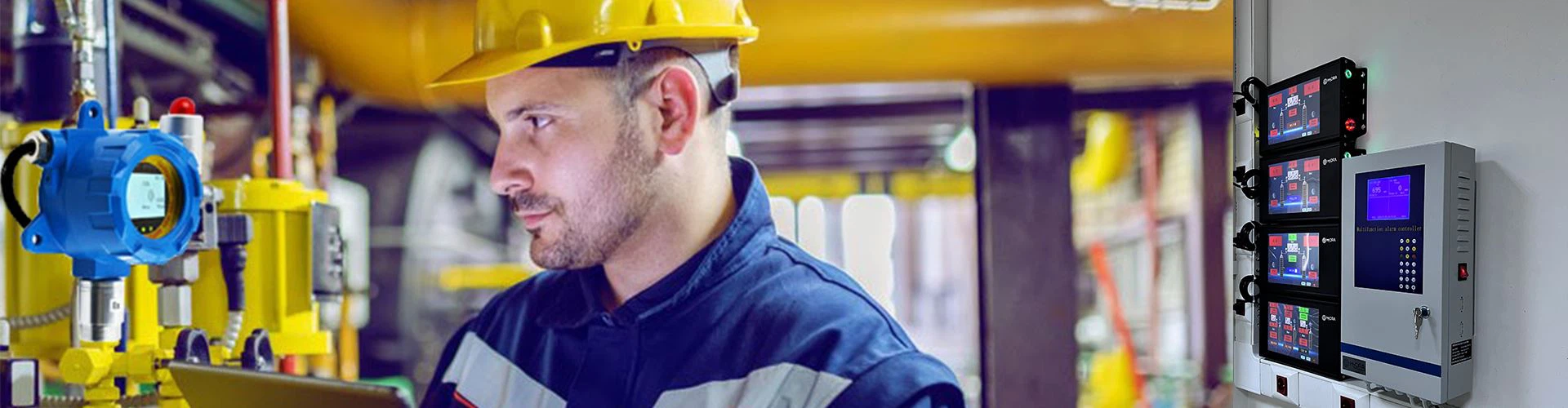




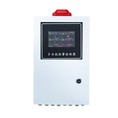

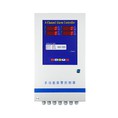
The solid waste disposal industry is a sector with a high risk of gas-related hazards. During the anaerobic decomposition of organic waste, various toxic and combustible gases-such as methane (CH₄), hydrogen sulfide (H₂S), and ammonia (NH₃)-are continuously produced. Furthermore, the treatment of leachate introduces additional risks, including the emission of sulfides and volatile organic compounds (VOCs). Unlike the petrochemical industry, where gas sources are more localized, sources in landfills are diffuse and irregular. Personnel often need to move rapidly across different areas to conduct checks; consequently, portable gas detectors must offer exceptional response speeds, the ability to monitor multiple gases simultaneously, and highly reliable alarm systems.
1.Key Gases:
Major Gases (accounting for over 90% of the total): Methane (30%–55%) and carbon dioxide (30%–45%) are the primary products of anaerobic waste decomposition. Methane has an explosive limit of 5%–15% and a greenhouse effect 21 times greater than that of carbon dioxide.
Toxic and Malodorous Gases: Hydrogen sulfide, ammonia, and methyl mercaptan-with concentrations potentially reaching 50–500 mg/m³, 100–800 mg/m³, and 10–50 mg/m³, respectively-are the primary causes of personnel poisoning and odor-related complaints from the surrounding community.
Trace-Level Hazardous Gases: Carbon monoxide and various volatile organic compounds (TVOCs, including benzene-series compounds) are continuously released throughout the landfill process; long-term exposure can damage the human respiratory system.
Ambient Safety Gases: Oxygen levels must be monitored, as oxygen-deficient conditions can easily occur in confined spaces or enclosed areas within a landfill, posing a significant asphyxiation risk to workers.
2.Selection Criteria for Gas Detectors:
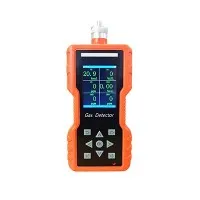
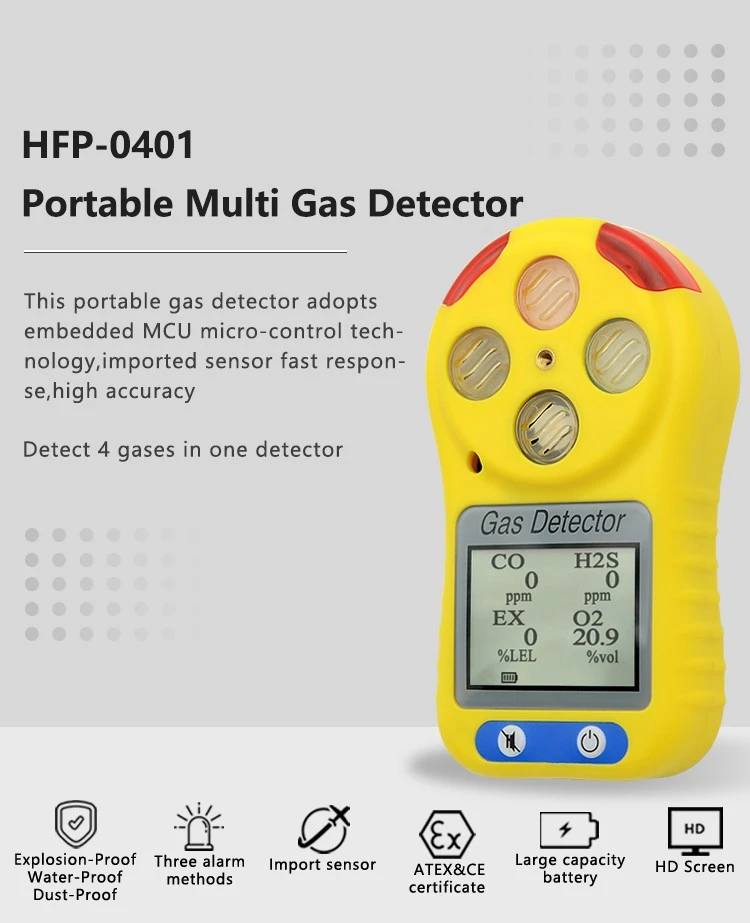
Define the target gases: For operational safety (e.g., in confined spaces or enclosed storage areas), a "four-in-one" multiple gas detector-capable of monitoring oxygen, combustible gases, carbon monoxide, and hydrogen sulfide-is the minimum requirement. If the focus is on odor control and environmental compliance, the device should cover hydrogen sulfide, ammonia, and total VOCs (TVOCs), with features for temperature and humidity compensation.
3.Matching Sensor Principles to Requirements:
Electrochemical Sensors: Suitable for gases like H₂S and NH₃; they offer high precision and fast response times, though they are sensitive to temperature and humidity and are prone to aging and drift.
PID (Photoionization Detector) Sensors: Ideal for measuring total VOC levels and instantaneous peaks. While they respond quickly, their stability can be compromised by high humidity or heavy dust, necessitating regular cleaning and maintenance.
Infrared (NDIR) Sensors: Well-suited for CH₄ and CO₂; they provide excellent stability and a long service life, making them highly reliable for deep-landfill monitoring.
Catalytic Combustion Sensors: Designed for combustible gases; they are cost-effective but susceptible to "poisoning" by sulfides and may fail if exposed to high-concentration gas surges.
Selecting Pump-Suction Models Based on the Environment: For confined spaces or scenarios requiring remote sampling, devices with built-in sampling pumps are essential. These allow for non-contact, localized testing, keeping personnel from direct exposure. In landfill environments-characterized by high humidity and significant dust-it is recommended to use equipment with an IP65 (or higher) ingress protection rating and a corrosion-resistant housing.
Aligning Measurement Ranges and Resolution with On-Site Conditions: Areas such as unloading bays and transfer stations are prone to concentration spikes; a range that is too narrow will frequently lead to "overscale" readings. Conversely, at site boundaries, where detecting subtle changes in low concentrations is critical, insufficient resolution makes it difficult to distinguish between different levels.
Ultimately, effective gas detection is not merely about "assembling a full set of equipment." It is about ensuring that every detector is precisely matched to the specific needs of high-risk areas-such as landfill pits, leachate collection ponds, or unloading zones-so that every alarm triggers a rapid, coordinated response. By embedding the principles of "safety first, prevention foremost" into daily inspections and operational approval processes, potential hazards can be neutralized before they escalate.