






1.Toxic and harmful gases that endanger life.
During the furniture production process, operations such as cutting panels, applying veneers or coatings, and using adhesives can release various toxic and hazardous gases.
(1). Formaldehyde
Primary source of formaldehyde: Formaldehyde is a colorless, transparent gas with a strong, pungent odor. Furniture made from engineered wood (manufactured boards) is the main source. These boards are typically produced by compressing a mixture of plant fibers, wood scraps, and urea-formaldehyde resin adhesive. Urea-formaldehyde resin a mixture of formaldehyde and urea-decomposes slowly under natural conditions, releasing formaldehyde gas. Consequently, the paints and materials used in furniture often contain varying amounts of formaldehyde.
(2). Benzene
Sources of benzene pollution: While there is significant public awareness regarding formaldehyde in wooden furniture, the issue of benzene pollution often associated with upholstered furniture is frequently overlooked. In reality, benzene poses a danger comparable to that of formaldehyde. Benzene is not present in furniture as a standalone substance; rather, it is contained within the materials used during production-specifically in solvents found in paints, fillers, and similar products (e.g., benzene, toluene). These substances are highly volatile; following the application of paint or finishes, they can be released rapidly, causing severe indoor environmental pollution.
(3). Ammonia
Sources of ammonia pollution: In furniture manufacturing, ammonia typically originates from two sources: additives used in concrete and agents used for coloring or finishing furniture-many of which contain ammonia. Ammonia (ammonia gas dissolved in water) is highly irritating and corrosive to the eyes, nose, and mouth; severe exposure can lead to significant respiratory difficulties.
2.How to choose a gas detector?
Given the complex composition of gases found in furniture factories, a single-principle instrument is often insufficient. Selection should be based on the specific target gases and the intended operating environment:
(1). Selection based on target gases
Formaldehyde detection: Recommended sensor: Electrochemical formaldehyde sensor (offers strong anti-interference capabilities).
Benzene-series compounds (organic exhaust gases): Recommended sensor: PID (Photoionization Detector).
Rationale: PID sensors are highly sensitive to low concentrations of volatile organic compounds (VOCs)-such as aromatic hydrocarbons, alcohols, and esters-offering fast response times and high precision (down to ppm or ppb levels). For precise screening specifically targeting benzene, a dedicated benzene detector equipped with a pre-filter tube can be used.
For flammable or explosive environments (such as paint booths, where concentrations of combustible gases or solvent vapors may be high):
Recommended sensor: Catalytic combustion sensor (for detecting the Lower Explosive Limit, or LEL, of combustible gases), ideally used in combination with a PID sensor.
(2). Selection based on operating environment
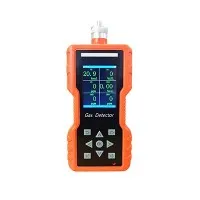
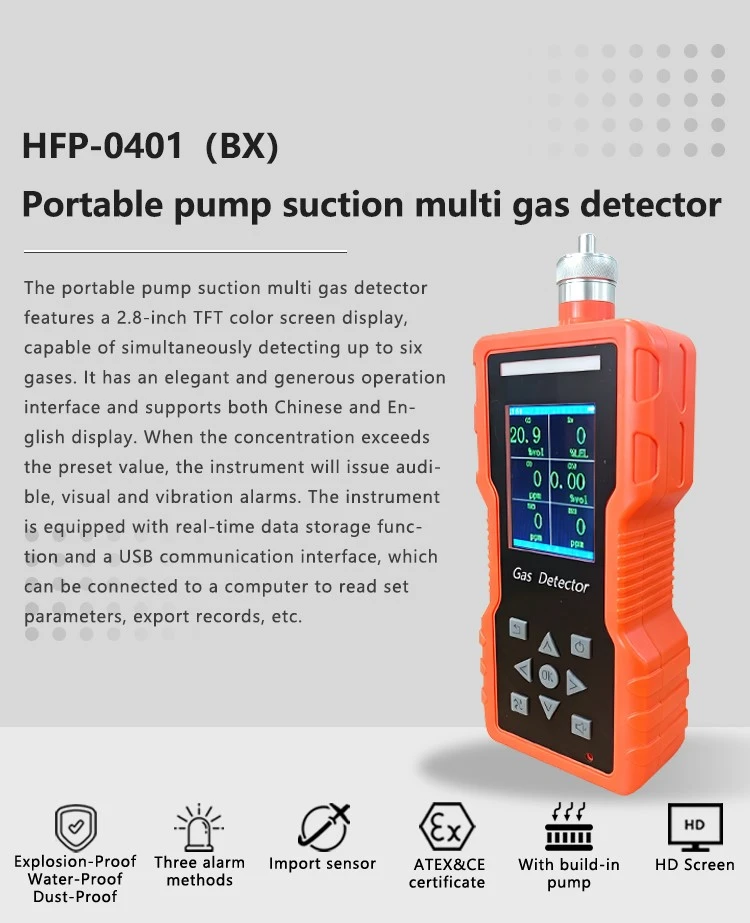
Portable gas detectors: Suitable for routine inspections of workshops, spot-checks at individual workstations, and temporary pre-shipment inspections of new furniture. It is recommended to select a multi gas detector with pump (such as a handheld device capable of simultaneously detecting formaldehyde, VOCs/benzene-series compounds, and ammonia).
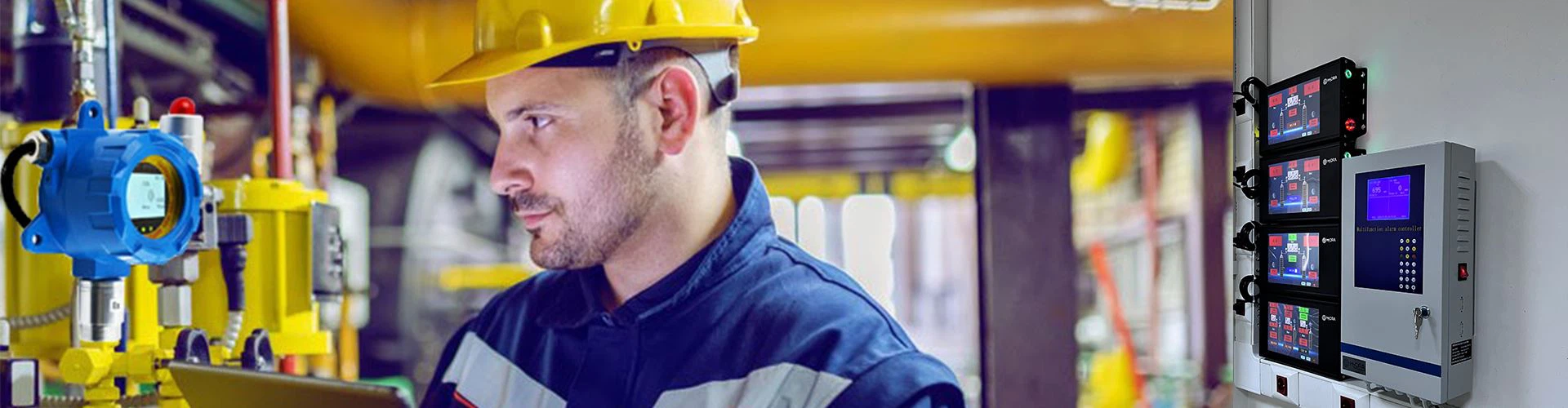
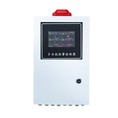
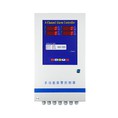
Fixed online monitors:These are suitable for areas with fixed emission sources, such as paint spray booths, plywood pressing/bonding workshops, and storage facilities for hazardous chemicals or paints. Such units should be permanently mounted on walls or ducts and must feature 24-hour continuous monitoring, audible and visual alarms for threshold exceedances, and the ability to trigger exhaust fans. Additionally, ensure that the selected detectors are explosion-proof and meet the required explosion-protection rating standards.