


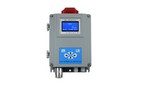
Gas stations handle volatile and flammable substances, making them susceptible to potential hazards. While regulations vary across regions and countries, many jurisdictions require gas stations to implement safety measures to mitigate the risks associated with flammable gases. One such safety feature is the installation of flammable gas alarms.
Flammable gas alarms serve as an essential component of a gas station's safety infrastructure. These alarms are designed to detect the presence of combustible gases, such as gasoline vapors, before reaching dangerous levels. The primary objective is to provide early warning to gas station staff and customers, allowing them to take prompt action and prevent potential disasters.
The need for flammable gas alarms is rooted in the inherent risks associated with the storage, dispensing, and handling of gasoline and other flammable fuels. Gasoline vapors are highly volatile and can form explosive mixtures with air under certain conditions. Even a small spark or heat source can ignite these vapors, leading to fires or explosions. Flammable gas alarms play a crucial role in preventing such incidents by detecting the presence of dangerous gas concentrations.
Regulatory agencies often set specific guidelines and standards for gas stations to follow regarding safety measures. These guidelines may include requirements for the installation and maintenance of flammable gas detection systems. Compliance with these regulations is not only a legal obligation for gas station owners but also a vital aspect of ensuring the safety of employees, customers, and nearby communities.

The installation of flammable gas alarms typically involves placing sensors strategically in areas where gas leaks are most likely to occur, such as around fuel dispensers, storage tanks, and transfer areas. These sensors continuously monitor the air for the presence of flammable gases and trigger an alarm if gas concentrations exceed predetermined levels. Additionally, some advanced systems may be integrated with automatic shut-off mechanisms to stop fuel dispensing or initiate other safety protocols in case of a detected gas leak.
Gas station owners and operators must also conduct regular maintenance and testing of flammable gas alarms to ensure their effectiveness. This proactive approach helps identify and address any issues with the detection system promptly, reducing the likelihood of false alarms or failures during critical situations.
While the specific regulations regarding flammable gas alarms may vary, the overarching goal is to prioritize safety and prevent accidents at gas stations. Compliance with these regulations not only safeguards lives and property but also contributes to the overall public perception of gas stations as responsible and secure establishments.
The installation of flammable gas alarms at gas stations is a crucial safety measure mandated by many regulatory authorities. These alarms serve as an early warning system, detecting the presence of combustible gases and allowing for timely intervention to prevent accidents. Gas station owners must adhere to specific guidelines and standards, not only to comply with legal requirements but also to prioritize the safety of their employees, customers, and the surrounding community. The ongoing maintenance and testing of these alarms further ensure their reliability and effectiveness in mitigating the risks associated with flammable gases.