



Water treatment plants require the detection of various gases-some generated during the treatment process, and others resulting from the leakage of chemical agents added during treatment. Commonly encountered gases include hydrogen sulfide (H₂S), methane (CH₄), and oxygen (O₂). Depending on the specific treatment process, monitoring may also be required for chlorine (Cl₂), ammonia (NH₃), and ozone (O₃).
1.Gases Generated During Wastewater Treatment
Hydrogen Sulfide (H₂S): Highly toxic and corrosive. It tends to accumulate in sewage collection pipelines, screen rooms, sludge thickening/dewatering facilities, and anaerobic digesters.
Ammonia (NH₃): Irritating and toxic. It may be generated during sludge treatment or the processing of certain types of industrial wastewater.
Methane (CH₄): Highly flammable and explosive. Produced by the anaerobic decomposition of organic matter, it poses an explosion risk if it accumulates in confined spaces (such as digesters or pump station wet wells) and reaches its Lower Explosive Limit (LEL) in the presence of an ignition source.
Oxygen (O₂): Monitoring is required to detect oxygen-deficient or oxygen-enriched conditions. In confined spaces, oxygen levels can drop (below 19.5%) due to microbial consumption or gas displacement; therefore, testing is mandatory before entry.
2. Gases Related to Water Treatment Chemicals and Disinfection Processes
These risks primarily arise from the use of disinfectants, pH-adjusting agents, or the formation of by-products.
Chlorine (Cl₂): Highly toxic. Commonly used as a disinfectant; leaks from gas cylinders or chlorine-dosing pipelines can pose an immediate threat to life. Continuous leak detection and alarm systems must be installed in chlorine-dosing rooms.
Ozone (O₃): Highly oxidizing and toxic. Used for decolorization, disinfection, or oxidation; leaks can cause severe irritation to the respiratory tract.
Carbon Dioxide (CO₂): An asphyxiant gas. Used for pH adjustment or generated during sludge digestion; high concentrations can lead to oxygen deprivation and asphyxiation.
3. Toxic and Hazardous Gas Detection System
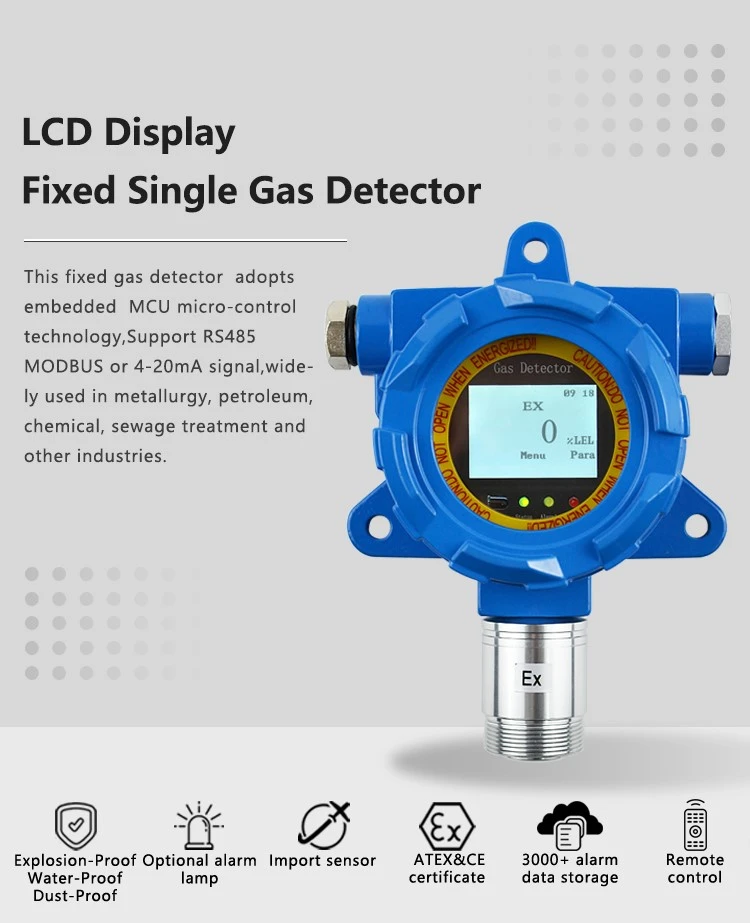
(1). Fixed gas leak detectors are typically required at potential leak points to provide 24-hour monitoring. Such detectors-including those for chlorine, ozone, and hydrogen sulfide (H2S) should be installed in critical areas such as chlorination rooms, pump rooms, sludge dewatering facilities, and digester zones. These detectors transmit real-time data to a gas alarm control panel, which displays current gas concentrations and triggers forced ventilation and alarms when necessary.
For example, gas detectors ( digital or LCD displays) manufactured by Xi'an Huafan Technology Co., Ltd. can be used to continuously monitor for potential gas leaks 24 hours a day. When a preset alarm threshold is reached, the device immediately issues an audible and visual alert. Furthermore, these units can transmit real-time data via a 4–20 mA analog output or an RS485 Modbus RTU digital interface to a gas alarm control panel, enabling real-time monitoring and early warning within a control room. The control panel also supports Modbus output, allowing for integration with central control systems-such as PLCs, DCS, or supervisory computer systems-and data transmission to the cloud. Additionally, the system can utilize switch-type (relay) signals to activate equipment such as ventilation fans, exhaust fans, or solenoid valves for chlorination systems, and can trigger leak-neutralization measures (e.g., alkali scrubbing/spraying). Optional access control interlocks can also be implemented to prevent personnel from inadvertently entering areas with high gas concentrations.
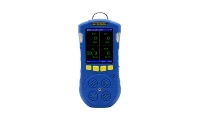
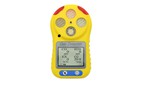
(2).Portable gas detectors are also required. Personnel must conduct gas checks before performing routine inspections or entering confined spaces following the "test-before-entry" protocol. For instance, when working in areas like chlorination or ammoniation rooms, staff should carry a portable gas detector tailored to the specific gases present; this serves as an additional layer of protection and provides early warning.