


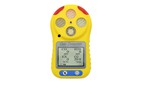


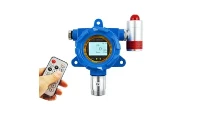
The demand for simultaneous detection of multiple gases is increasing in industrial production, environmental monitoring and daily life. Traditional gas detection methods often target a single gas or use multiple independent devices separately, which is inefficient in complex environments. The emergence of 4 in 1 multiple gas detector has provided an effective tool for solving this problem. It can quickly identify and measure the concentrations of multiple different gas components at the same time and place.
I. Comparison with Traditional Single Gas Detectors.
(1).Detection range: The function of a single gas detector is fixed and can only handle the gas it is designed for. In a complex environment with multiple potential hazardous gases, such as safety checks before entering a confined space, staff members need to carry multiple different detectors, which is cumbersome to operate and prone to omissions. The multi-gas detector integrates multiple sensors and can be simultaneously equipped with detection functions for oxygen, combustible gas, and various toxic gases (such as carbon monoxide, hydrogen sulfide, sulfur dioxide, etc.). With just one operation, it can complete the screening of multiple key gases, significantly enhancing the excellence of detection and work efficiency.
(2).Portability and cost: From the perspective of a single device, a single gas detector is usually smaller in size and lighter in weight, and its initial purchase cost may also be lower. However, when multiple gases need to be detected, the total cost of purchasing and maintaining multiple single gas detectors will increase significantly, and carrying and managing multiple devices also brings inconvenience. Although the price of a single multi-gas detector may be higher, it achieves "one machine with multiple uses", reducing the total cost of ownership to meet the multi-parameter detection requirements as a whole. Its integrated design also makes it more convenient to carry and maintain on a daily basis.
(3).Data Correlation: When analyzing gas leakage or pollution incidents, there is often a correlation among the changes in different gas concentrations. A single gas detector provides isolated data points, making it difficult to conduct comprehensive analysis. The multi-gas detector can display and record the concentration change curves of multiple gases in real time. This helps users analyze the causes of accidents, determine the sources of gases and the interactions between different gases, providing richer and more three-dimensional information support for decision-making.

2.Key technical features of the multi-gas detector.
(1).Sensor technology: The core performance of a multi-gas detector lies in the sensors it is equipped with. Common sensor technologies include electrochemical sensors (mainly used for detecting oxygen and various toxic gases), catalytic combustion sensors (used for detecting flammable gases), infrared sensors (used for detecting carbon dioxide and certain hydrocarbons), and photoionization detectors (PID, used for detecting volatile organic compounds). A device can be combined with different types of sensors as needed, thereby achieving broad-spectrum detection.
(2).Design and Humanized functions: Modern multi-gas detectors are designed with full consideration of the user experience. They usually have sturdy and durable shells to adapt to harsh industrial environments; The large-screen liquid crystal display can simultaneously and clearly show the real-time concentration of all the measured gases. The triple alarm system of sound, light and vibration ensures that users can be effectively alerted even in noisy environments. The data recording function can store long-term detection data, facilitating subsequent downloading and analysis.
(3).Battery Life and Maintenance: As a portable device, battery life is of vital importance. Most products use rechargeable lithium batteries and can provide working time of up to more than ten hours or even longer. In terms of maintenance, users need to calibrate the instrument and test the sensors regularly to ensure the accuracy of the detection data. Some high-end models also support the insertion and removal of sensors for replacement, reducing the difficulty and cost of later maintenance.
3.Examples of Application Scenarios.
In the petrochemical industry, before entering confined Spaces such as reactors and storage tanks, workers use multi-gas detectors in a diversified manner to confirm that the oxygen concentration in the space is within a safe range and that there is no accumulation of flammable and toxic gases.
In municipal work, when maintenance personnel enter underground sewage Wells and tunnels for operations, they need to monitor hydrogen sulfide, carbon monoxide, oxygen and flammable gases to prevent the risks of poisoning, asphyxiation and explosion.
In the field of fire emergency rescue, firefighters can use multi-gas detectors to quickly assess the atmospheric environment at the accident site, identify whether there are unknown toxic and harmful substances, and provide a key basis for formulating rescue plans.
Even in agriculture and animal husbandry, it can be used to monitor the concentration of carbon dioxide in greenhouses or the concentration of harmful gases such as ammonia and hydrogen sulfide in livestock and poultry houses, in order to optimize the environment and promote growth.