


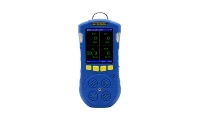


The normal range of the numerical standard for multiple gas detector depends on the specific type of gas being detected, the application scenario, as well as relevant safety standards and regulations. The following are the normal value ranges for reference of some common gases.
1. Flammable gas
The concentration standard value range of flammable gases such as methane, ethane, propane, butane, liquefied petroleum(LPG) gas, etc. is usually expressed in percentages (%LEL or %VOL) or ppm(parts per million). In a normal industrial environment, the concentrations of these gases should be maintained below the lower explosive limit (100%LEL or 5%VOL) to ensure safety. The specific normal numerical range may vary depending on different application scenarios and safety standards.
2. Toxic gases
Carbon monoxide (CO) : carbon monoxide is a colorless, odorless and toxic gas that poses a significant threat to human health. It is generally believed that when the detector shows a carbon monoxide concentration below 50ppm, it can be considered safe. Once it exceeds this range, it may indicate that there is a fire or leakage in the environment, and immediate measures need to be taken.
Hydrogen sulfide (H2S) : Hydrogen sulfide is another common harmful gas, and its normal value range is set between 0 and 5ppm. Exceeding this range indicates the possible presence of hydrogen sulfide leakage or other sulfur-containing substances.

Other toxic gases : such as ammonia, chlorine, nitric oxide and other toxic and harmful gases, the values of their detectors should usually be controlled within 1ppm to avoid causing harm to the human body. However, please note that these values may vary depending on the specific type of toxic gas and safety standards.
3. Oxygen
Oxygen, as a key element supporting life, has a normal content of 20.9% in the air. In industrial or specific working environments, such as confined Spaces or special process conditions, the normal range of oxygen levels is typically defined as between 19.5% and 23.5%. If it is lower than 19.5%, it may lead to hypoxia. If it exceeds 23.5%, it may cause oxygen enrichment problems.
4. Other gases
For other specific gases, such as carbon dioxide (CO2) and nitrogen dioxide (NO2), their normal value ranges also vary depending on the application scenarios and safety standards.
Overall, the normal range of numerical standards for gas detectors is the result of a comprehensive consideration of multiple factors. When using a gas detector, the appropriate alarm value and normal value range should be set according to the specific type of gas, application scenario and safety standards. At the same time, regular maintenance and calibration of gas detectors are also important measures to ensure their accuracy and stability.