


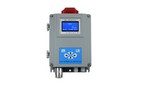
The portable hydrogen sulfide gas detector mainly works through the gas sensor inside it. The core process is that when the sensor detects hydrogen sulfide, it converts its concentration into a measurable electrical signal, which is then processed by the internal circuit and displayed.
1.Electrochemical sensor
Working principle: Gas passes through the breathable membrane into the sensor, where oxidation-reduction reactions occur on the electrodes and current is generated.
Features: High sensitivity, good precision, and low power consumption. It is currently the most mainstream application technology.
Disadvantages: The sensor has a relatively short lifespan (about 2-3 years) and may fail due to "poisoning" at extremely high concentrations.
The electrochemical sensor is based on the principle of REDOX reactions. During the detection process, H2S enters the sensor and interacts with ions in the electrolyte, causing REDOX reactions. This reaction will cause a change in current, and the sensor will determine the concentration of H2S by measuring the current change. The advantages are fast and accurate response speed, but regular calibration is required to ensure precision.

The electrochemical hydrogen sulfide detector, with its high sensitivity and low power consumption, is one of the most widely used technologies at present. It converts the gas concentration into an electrical signal through an electrochemical reaction for measurement. Electrochemical H2S gas detector has high sensitivity and can detect extremely low concentrations of hydrogen sulfide. At the same time, it features high precision, good repeatability and stable and reliable values. It is particularly suitable for portable devices that need to operate for a long time and has a long standby time. Due to the consumption of electrolyte, its lifespan is usually only 2 to 3 years. And it needs to be calibrated regularly every 3 to 6 months; otherwise, the accuracy will decline.
2.Semiconductor sensor
Working principle: There is a metal oxide gas-sensitive sheet heated to a high temperature inside. When hydrogen sulfide comes into contact with it, its electrical conductivity will change accordingly.
Features: Extremely sturdy and durable, adaptable to harsh environments, with a service life of over 10 years.
Disadvantages: The measurement accuracy is relatively low and it is easily interfered with by other gases.
Semiconductor sensors operate based on the principle of resistance variation. When H2S enters the sensor, it reacts with the surface of the semiconductor component, causing a change in resistance. The sensor can measure this change and convert it into a digital signal to represent the concentration of H2S. This sensor is relatively inexpensive, but its response speed is slow and it is easily affected by environmental factors such as humidity and temperature.