


1.What is phosphine?
Phosphine is a highly toxic, flammable gas with the chemical formula PH3. Compared to air, phosphine is heavier and tends to accumulate in low-lying areas. Under certain conditions, it can undergo spontaneous combustion; specifically, it becomes pyrophoric when its concentration in the air exceeds 1.79% by volume.While pure phosphine is colorless and odorless, in practical industrial, agricultural, or domestic settings, it often contains trace impurities (such as diphosphine), giving it a strong odor resembling garlic or rotting fish.
Phosphine is classified as a fumigant gas-specifically, a highly toxic, flammable, liquefied compressed gas. It is commonly used as a fumigant insecticide in enclosed spaces; however, inhalation can cause severe damage to the human respiratory system, kidneys, gastrointestinal tract, and nervous system. Regulations exist regarding occupational exposure limits for phosphine concentrations, and monitoring for residual phosphine is mandatory whenever the gas is used. After fumigation, residual phosphine is typically removed via natural or mechanical ventilation; however, these methods are not foolproof, and accidents involving phosphine poisoning in grain silos have occurred in the past. Therefore, installing and using a phosphine detector to monitor real-time gas concentrations within a space is crucial.
2.How is phosphine detected?
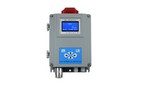
Phosphine gas detector pump suction relies primarily on specialized instruments for real-time monitoring. Methods vary depending on the scenario, with electrochemical sensor detectors being the most common choice. Detection ranges typically vary from 0–20 ppm to 0–2,000 ppm. Fixed ph3 gas detectors are used for continuous 24-hour monitoring, while portable units are suitable for routine inspections and emergency detection.

Working principle of electrochemical sensors: Phosphine gas undergoes a chemical reaction with the electrolyte inside the sensor, generating a current signal proportional to the phosphine concentration. By measuring and converting this current signal, the phosphine concentration value is determined.
3.Key Functions
Concentration Detection: Real-time monitoring of phosphine gas concentration in the environment, with clear display on the screen.
Alarm Function: Alarm thresholds can be set; when the phosphine concentration exceeds the preset value, the instrument triggers audible and visual alarms to alert personnel to take appropriate action.
Data Logging and Storage: Capable of recording detection data, allowing users to review historical records and track changes in phosphine concentration. Some models also support data export, enabling the transfer of data to computers or other devices for further analysis.
4.Application Scenarios
Grain Silo Fumigation: Used to detect residual phosphine gas following fumigation operations in grain silos, ensuring both grain storage safety and personnel health.
Chemical Industry: Used in chemical facilities involved in the production, use, or storage of phosphine to monitor concentrations in the workplace and surrounding areas, thereby preventing safety incidents caused by gas leaks.
Wastewater Treatment: Phosphine gas may be generated during certain wastewater treatment processes; portable phosphine detectors enable timely detection and the implementation of protective measures.