


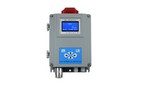
Portable combustible gas detectors can be mainly divided into diffusion type and pump suction type, and then classified according to the amount of gas that the instrument can detect, there are portable diffusion type single gas detectors, portable pump suction type single gas detectors, portable diffusion type two One gas detector, portable pump-suction 2-in-1 gas detector, etc. Conventional gas detectors can detect up to 6 gases at the same time.
A diffusion combustible gas detector means that the gas to be measured slowly flows into the instrument with the air for detection, which mainly depends on the fluidity of the gas itself, and the instrument needs to be placed on the site of the gas to be measured. This method is affected by the ambient temperature, wind speed, pressure, etc. Affected, there will be a certain drift value error, the sampling speed is slow, and the price will be relatively low. It is suitable for some indoor and outdoor open places with a wide range of on-site environments.

The pump-suction gas detector is equipped with a small aspirating pump inside the instrument. When the instrument is working, the aspirating pump can take samples of the measured gas under the drive of the power supply, and then send the measured gas into the detector for detection and analysis. data. The sampling speed of this kind of instrument is fast, the external sampling tube can realize long-distance measurement, and the result is more accurate than the diffusion detector, of course, the price is also more expensive, suitable for underground mines, pipelines, sewers, tunnels, tank farms, culverts, etc. environmental test.

Conventional portable combustible gas detectors can detect 1-6 kinds of gases at the same time. Users can choose the most suitable gas detector according to the detection method and the number of gases to be measured when purchasing. In addition, according to the type of gas to be measured, the detection accuracy and detection range will choose sensors with different detection principles, such as catalytic combustion, electrochemical, infrared, thermal conductivity, PID photoion, and other types.