


Phosphine (PH₃) is a colorless, highly toxic gas widely used in grain fumigation and industrial production. Its safe concentration must be strictly controlled below ≤0.2 ppm (i.e., 0.3 mg/m³), with specific standards varying depending on the application.
1.Classification and Requirements of National Standards
According to current Chinese regulations, the safe concentration threshold for phosphine needs to be determined based on the specific industry:
Grain Storage: GB 2715-2016 National Food Safety Standard for Grain stipulates that the residual concentration of phosphine in grain warehouses must be ≤0.2 ppm before workers can enter to work.
Fumigation operations must comply with GB/T 22497-2008 Guidelines for the Use of Fumigants in Grain and Oil Storage, ensuring that ventilation meets standards and testing is passed.
Occupational Exposure Limits: GBZ 2.1-2019, "Occupational Exposure Limits for Hazardous Factors in the Workplace," clearly states that the upper limit for phosphine concentration exposure is 0.3 mg/m³ (approximately 0.2 ppm) for 8 hours daily, 5 days a week.
Tobacco Fumigation: The tobacco industry also implements a safety standard of 0.3 mg/m³ and requires companies to equip themselves with real-time monitoring equipment (such as fixed alarm devices) to prevent concentration exceedances.
2.Selection of Detection Technologies and Equipment Accurate monitoring of phosphine concentration is a core means of ensuring safety:
Phosphine gas detector pump suction: Employ high-precision electrochemical sensors, suitable for rapid detection in places such as grain silos and warehouses.

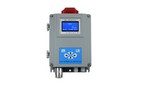
Fixed Online Alarm Devices: Can monitor continuously for 24 hours, with set alarm thresholds; once the limit is exceeded, an audible and visual alarm is immediately triggered for easy emergency response.
Detection Standards: Detection must be performed before, during, and after operations, and data must be recorded and archived for future reference. Detection points should cover high-risk areas such as ventilation dead spots and densely populated areas.
3.Hazards of PH3 Leakage
Phosphine is extremely toxic; exceeding the permitted concentration can lead to serious consequences:
(1).Short-term Exposure Effects
0.5-1 ppm: Symptoms include headache, nausea, and respiratory irritation.
Above 2 ppm: May cause pulmonary edema, coma, or even death (at concentrations of 2000 ppm, it can be fatal within minutes).
(2).Long-term Low-Concentration Exposure Risks
Long-term exposure to concentrations close to the safety threshold (e.g., 0.2-0.3 ppm) may damage the nervous system and liver and kidney function.
4.Summary of Safe Operating Procedures
Strictly adhere to national standards: Before operation, confirm the concentration is ≤0.2 ppm and use qualified testing equipment.
Strengthen protective measures: Workers must wear gas masks and protective clothing.
Emergency Management Plan: Equip with ventilation equipment and first-aid supplies, and conduct regular emergency drills.
The safe management of phosphine must be based on national standards, combined with real-time monitoring and standardized operations to minimize health risks. Each industry should refine its management processes according to its own characteristics to ensure the safety of personnel and the environment.