



Sewage in urban sewers will decompose to produce various toxic, harmful, flammable and explosive gases, such as hydrogen sulfide, methane, ammonia, biogas, carbon dioxide, etc. Once these gases leak and encounter an open flame, they are very likely to explode, and at the same time cause personnel poisoning, which is extremely harmful.
Before entering the sewer work, the staff will open the wellhead and wait for a period of time. Because wastewater waste accumulates in the sewer pipe for a long time, the decomposition of organic matter will form a lot of toxic and harmful gases, including methane, carbon monoxide and hydrogen sulfide, and rush into the sewer work. The staff It is easy to faint and poison, leading to safety accidents.

And in actual detection work, in order to effectively detect and monitor the presence of toxic, harmful, flammable and explosive gases in urban sewers, it is necessary to use a combination of gas sensors and detection equipment. Given the wide variety of gases in sewers, the following are the types of sensors required:
Volatile organic compound (VOC) sensors: VOCs are also released during the decomposition process, posing health risks to workers. Monitoring these compounds provides a more complete understanding of the sewer environment.
Oxygen (O2) sensors: Monitoring oxygen levels is critical to ensuring that sewer environments are well ventilated and provide workers with adequate breathing air.
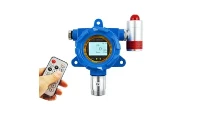
Multiple gas detectors: Using a 4 in 1 gas detector (or more) is a practical solution in this workplace. These detectors combine sensors for various gases into a single unit, allowing for a comprehensive assessment of sewer gas composition.
Data logging and alarm system: An integrated system records gas concentration data over a period of time and triggers an alarm when gas concentrations exceed safe limits. This will help ensure workers receive timely alerts and take appropriate action.
Personal Protective Equipment (PPE): In addition to gas detectors, workers should be equipped with appropriate personal protective equipment such as respirators, respirators, protective clothing, and ventilation.
Keep in mind that sensor and device selection should be based on the specific gases present in the sewer environment and the potential risks involved. Regular maintenance and calibration of sensors is also critical to ensuring accurate and reliable readings.
Therefore, we need to use equipment and instruments for the detection of toxic and harmful gases in the sewer operating environment. Faced with the monitoring of flammable and toxic gases mixed with multiple gases, we can use a 4 in 1 gas detector to measure the concentration of various gases before going down to the well. When the measurement results are safe, the staff should wear all the necessary equipment before entering the operation. Protective equipment, carry a four-in-one gas detector with you, keep abreast of the gas composition and concentration value of the sewer, and disable the alarm mechanism of the instrument to avoid safety accidents.