


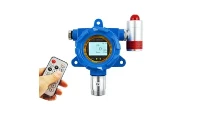

The gas alarm system consists of three parts, which are combustible gas detection alarm, gas shut-off valve and explosion-proof axial flow fan. According to reports, the deflagration concentration of gas is generally between 5% and 15%, and when the gas concentration in the restaurant reaches 4%, the alarm will automatically alarm; if the concentration continues to increase, the shut-off valve installed on the gas pipeline will stop the gas. Supply; when the critical concentration of deflagration is reached, the axial flow fan will start to force indoor and outdoor ventilation to reduce the indoor gas concentration.
Catering places generally use detectors and controllers together. The detectors detect the concentration of gas leakage. The controller can check the leakage of each detector and the concentration of the leakage. If it exceeds the standard, a signal will be output to external devices such as exhaust fans or shut-off valves. Cut off the air supply. The connecting cable between the detector and the controller generally adopts rvvp3*1.0 shielded cable.

Gas is frequently used in canteens, so the issue of safe use of gas cannot be underestimated. Let's briefly analyze the installation problems of combustible gas alarms:
1. The installation position of the alarm: within a radius of 1.5 meters from the air source, in a well-ventilated place.
(1) Liquefied petroleum gas is denser than air and stays at a low place after leakage. The alarm should be installed about 0.3 meters above the ground.
(2) The density of natural gas is lower than that of air, and it stays at a high place after leakage. The alarm should be installed at a distance of 0.3 meters from the ceiling.
2. The location where the gas leakage alarm cannot be installed
Gas alarms cannot be installed in corners, cabinets and other places where the air is not easy to circulate and where it is easy to be directly smoked by oily smoke.