


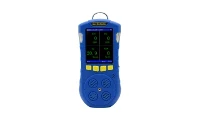
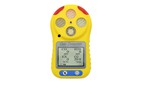


In industrial areas where hydrogen is prone to be produced, H2 gas detector or hydrogen detection instruments should be installed, and the high and low alarm values of the instruments should be set properly. Once the hydrogen (H2) concentration in the on-site environment exceeds the standard, the relevant person in charge should take active measures to eliminate the fault and ensure production safety.
Hydrogen gas detector is an instrument used to detect whether the concentration of H2 in the air exceeds the standard. When the concentration of flammable gas H2 in the environment reaches or exceeds the pre-set alarm, the controller immediately issues an audible and visual alarm to remind people to take safety measures in time and control the operation of the exhaust fan or other peripheral devices to prevent explosions and fire accidents, thereby ensuring the safety of lives and property.

1.How to set the alarm value range of the hydrogen gas alarm instrument ?
(1). The explosive concentration range of hydrogen is 4%-75%VOL, and the lower explosive limit LEL is 4%VOL.
(2). The first-level alarm for combustible gas is less than or equal to 25%LEL. When the secondary alarm for combustible gas is less than or equal to 50%LEL, it can be set in a stricter direction.
(3). Combustible gas detectors are generally set with a range of 0 to 100%LEL.
(4). If the alarm value is set too low, the accuracy of the detector itself may not meet the requirements, and zero drift may cause false alarms.
Most of the current combustible gas alarms have their low alarm points set at 25%LEL. Here, 100%LEL refers to the explosive limit value of the gas. That is to say, when the combustible gas alarm shows 100%LEL, it has just reached the lower explosive limit of the combustible gas.
2.Post-maintenance precautions for hydrogen detection instruments
(1).The hydrogen detector has been calibrated for gas before leaving the factory. After installation, please do not replace the components at will. If replacement is necessary, recalibration is required.
(2).The normal service life of a hydrogen detector is three years. Due to different usage environments, its lifespan may decrease. Regular inspection and maintenance should be carried out annually.
(3). High-concentration hydrogen gas impact is strictly prohibited at the hydrogen detector area to prevent poisoning of the gas sensor and damage to the detector.
(4). During the usage process, it is necessary to regularly check whether the hydrogen detector is working properly, and the inspection cycle should be at least within three months.
Hydrogen gas detectors are related to the safety of hydrogen usage. Wherever hydrogen exists, there is a possibility of hydrogen explosion accidents. Whether the possibility is high or not, we must take safety precautions to prevent the hydrogen concentration in the working environment from being too high and reaching the lower explosive limit of hydrogen, which may cause fire and explosion accidents and even casualties.