


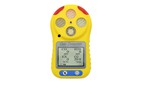


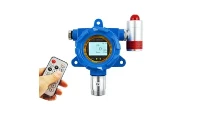
Catalytic combustion lel gas detector can be used to detect a wide range of combustible gases. The working principle of a catalytic combustion sensor is not to identify a specific gas, but rather to detect the heat generated during gas combustion.These detectors measure gas concentration by detecting the heat released during the flameless combustion of combustible gas on the catalyst surface. The heat generated raises the temperature of the sensing element (which contains a built-in platinum wire), causing its electrical resistance to increase. This temperature-induced change in resistance is measured via a wheatstone bridge circuit, allowing the gas concentration to be calculated.
1.Why can they detect multiple combustible gases?
(1).Non-specific response: Any combustible gas burning on the sensor's high-temperature catalytic bead releases heat, causing a change in the sensor's resistance. Consequently, all combustible gases trigger a response from the instrument.
(2).Universal detection: This means the instrument can serve as a "universal" combustible gas detector to identify the presence of combustible hazards in the environment. Even if the instrument is calibrated for methane, it will still respond to other combustible gases (such as hydrogen or propane).

2.Why is there a risk of inaccuracy?
Instrument readings are based on the specific calibration gas used. When multiple or different types of combustible gases are present on-site, the readings may deviate from actual levels.
Different gases generate varying amounts of heat when burning on the sensor; therefore, even at the same concentration (e.g., 10% LEL), the signal strength produced by different gases varies. If an instrument is calibrated for methane but propane is actually present, the instrument's reading will be lower than the actual propane concentration, creating a safety risk.
3.How to calibrate for a single gas on-site?
Method 1: Use a standard gas that matches the target gas (most accurate).
Method 2: Use a correction factor (most common).
Instrument manufacturers typically provide a "gas correction factor table." This table lists the response ratios of other combustible gases relative to the calibration gas (usually methane or propane).
4.How to calibrate when multiple combustible gases are present?
(1).Select a "representative gas" for calibration: Choose the primary gas-or the one present at the highest concentration on-site-from your gas mixture to serve as the calibration gas. In the absence of a primary component, common gases such as propane or methane are typically selected, as their response characteristics fall within a moderate range relative to various other gases.
(2).Calculating the Correction Factor: If the lel gas detector is equipped with a "Gas Select" function, the calculation can be performed during the calibration phase. A senior engineer calculates the composite coefficient for the gas mixture in advance and enters this value directly into the device's "Correction Factor" or "Mixture Curve" parameter via the management software or advanced menu; the instrument's internal chip then automatically performs the necessary calculations. The value displayed on the screen in the field represents the corrected, composite equivalent concentration.