


Sulfur dioxide (SO2) is a colorless gas with a pungent, suffocating odor. It is produced from various industrial processes, particularly those involving the combustion of fossil fuels and the smelting of ores containing sulfur compounds. SO2 can pose serious health and environmental hazards when released into the air. Effective preventive measures are crucial to minimize the risks associated with SO2 gas leakage.
Hazards of SO2 Gas Leakage:
Respiratory Irritation: It is a respiratory irritant and can cause irritation of the nose, throat, and lungs even at low concentrations. Short-term exposure to high levels of SO2 can lead to breathing difficulties, coughing, and exacerbation of existing respiratory conditions like asthma.
Aggravation of Lung Diseases: Individuals with pre-existing respiratory conditions are more vulnerable to the effects of SO2 exposure. Prolonged or high-level exposure can worsen conditions such as bronchitis, emphysema, and chronic obstructive pulmonary disease (COPD).
Cardiovascular Effects: SO2 exposure has been linked to cardiovascular problems, including heart attacks and irregular heartbeats. Individuals with heart conditions may experience exacerbated symptoms due to SO2 exposure.
Environmental Impact: It can contribute to acid rain formation, which harms ecosystems, damages buildings and infrastructure, and contaminates water bodies. It can also lead to haze and reduced visibility in the atmosphere.
Workplace Safety: In industrial settings, SO2 leaks can pose risks to workers' health, leading to acute or chronic health issues if not properly managed.

Preventive Measures for SO2 Gas Leakage:
Proper Ventilation: Adequate ventilation is crucial to disperse any leaked SO2 gas and prevent its accumulation. Workplaces and areas with potential SO2 emissions should have effective ventilation systems in place.
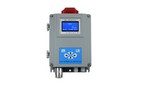
Gas Detection Systems: Install SO2 gas detectors in areas where SO2 could be released, especially in industrial settings. These detectors can provide early warnings to initiate safety protocols in the event of a leakage.
Regular Maintenance: Ensure that equipment and processes that may produce or use SO2 are well-maintained. Leaks can occur due to equipment malfunctions or degradation, so regular inspections and maintenance are essential.
Training and Education: Provide proper training to workers and personnel about the hazards of SO2, how to use safety equipment, and the appropriate steps to take in case of a gas leak.
Emergency Procedures: Develop and communicate clear emergency procedures for dealing with SO2 leaks. This includes evacuation plans, emergency contacts, and steps to take when a leak is detected.
Personal Protective Equipment (PPE): Supply workers with appropriate PPE, such as respiratory protection masks and goggles, to reduce their exposure to SO2 in case of a leak.
Storage and Handling: Follow proper storage and handling procedures for sulfur-containing materials to minimize the risk of leaks during transportation, storage, and usage.
Emission Controls: In industries that produce SO2 emissions, employ emission control technologies to reduce the release of SO2 into the atmosphere.