

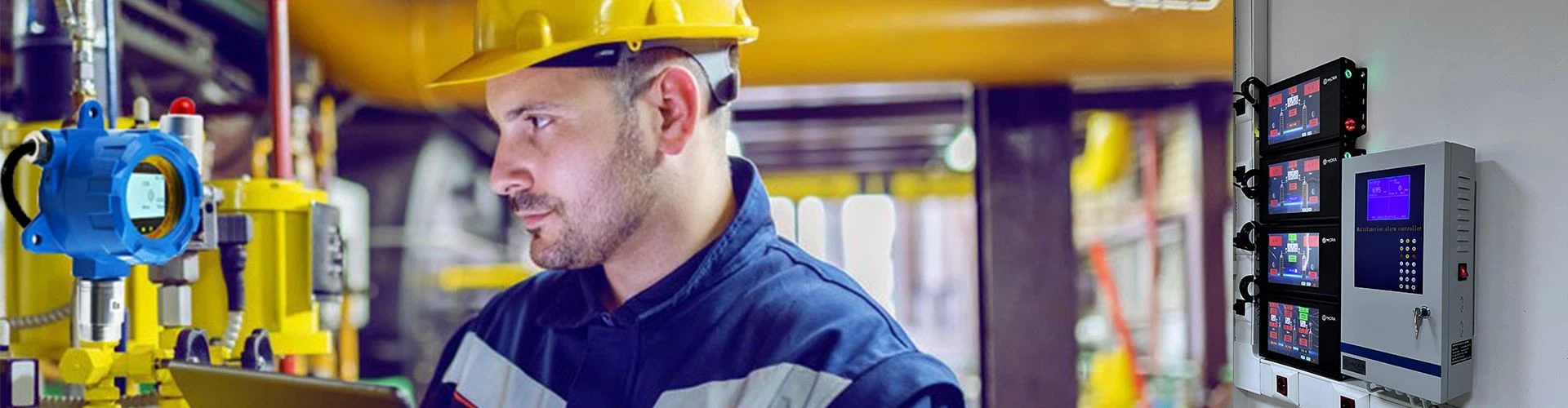


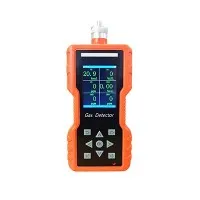


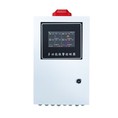

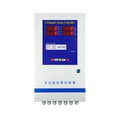
Due to the high water content of the sludge after the sludge thickening process in the sewage treatment plant, it is still in a fluid state. Therefore, sludge dewatering and dry chemical process treatment are required. This not only further reduces the volume but also benefits the difficulty and cost of subsequent disposal. However, due to the action of bacteria and microorganisms in the sludge during the sludge dewatering process, there are also a large number of dangerous and harmful gases on site. So, what are the dangerous and harmful gases in the sludge dewatering process? Generally, it mainly includes hydrogen sulfide, biogas (methane), ammonia, etc. The installation and use of toxic gas control panel and fixed multi gas detector in the sludge dewatering area on site is also to detect the concentration values of these harmful gases in the ambient air to avoid dangerous accidents.
Sludge dewatering refers to the removal of excess water from the sludge produced during the wastewater treatment process, reducing the volume of the sludge and enhancing its stability for safe treatment and recycling. Common sludge dewatering methods include natural dewatering, filter press, centrifugal dewatering, belt filter press, plate and frame filter press, screw dewatering, and air flow dewatering, etc. Among them, natural dewatering is the most fundamental method, that is, sludge dewatering is achieved through sedimentation, squeezing and drainage. Pressure filtration, on the other hand, is a more efficient and widely applied method, suitable for sludge with good compressibility. It can achieve the dewatering of large amounts of sludge at a relatively low cost. Centrifugal dewatering can handle high-concentration sludge and has a fast execution speed. Belt filter press is more suitable for dewatering special thick sludge or sludge with a large amount of low-concentration particulate matter.

The main hazardous and harmful gases in the sludge dewatering area of a sewage treatment plant are as follows:
1.Hydrogen sulfide
Under normal temperature and pressure, it is a colorless gas with a smell of rotten eggs. It is highly toxic and a strong neurotoxin that has a strong irritating effect on mucous membranes. Hydrogen sulfide is an acute toxic substance. Inhaling a small amount of high-concentration hydrogen sulfide can cause death within a short period of time. Low concentrations of hydrogen sulfide have an impact on the eyes, respiratory system and central nervous system.
2. Methane
Methane is a flammable and explosive gas. When mixed with air, it can form an explosive mixture with an explosion limit of 5.0% to 15.4%VOL. When the concentration of methane in the ambient air is within this range, an explosion will occur upon encountering open flames, electric arcs, sparks, high temperatures, etc. Methane has very low toxicity. "Methane poisoning" caused by exposure to high concentrations of methane is actually asphyxiation due to oxygen deficiency caused by a relatively reduced oxygen content in the air. It has a simple asphyxiating effect and can cause poisoning due to asphyxiation caused by hypoxia at high concentrations. Dizziness, accelerated breathing and movement disorders occur when the air concentration reaches 25 to 30 percent.
3. Ammonia
It is toxic. Low concentrations can irritate the eyes and respiratory tract, while high concentrations can cause pulmonary edema and even death. Flammable and explosive. It will explode when mixed with air at a concentration of 15.5% to 27% and exposed to an open flame. The maximum allowable concentration of ammonia in the air is 30mg/m³ (approximately 39.5ppm).
The fixed multi gas detector online toxic and harmful gas detection and alarm instrument produced by our company can simultaneously detect and display the concentration values of hydrogen sulfide and biogas (methane), and will sound and light alarm when the gas concentration leakage exceeds the standard. The relay output signal of the gas control cabinet is interlocked to automatically control the start and stop of the exhaust fan, ensuring the safety of personnel and property.