

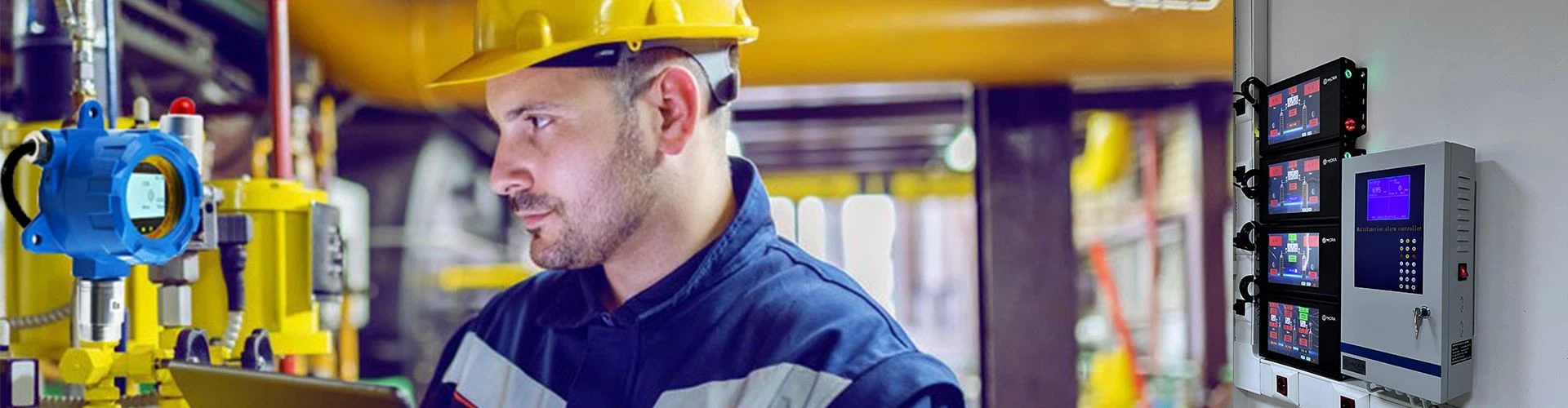






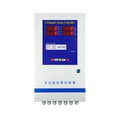
In warehouses where baijiu, huangjiu, and fruit wine are produced, alcohol (ethanol) is highly volatile. Ethanol vapor is a Class A flammable and explosive gas. When the gas reaches the lower explosive limit, it will lead to a fire or explosion upon contact with electrical sparks, static electricity, or high temperatures. According to safety production and fire protection regulations, fixed combustible ex gas detector and alarm systems must be installed in baijiu storage areas, finished product warehouses, blending workshops, and temporary alcohol storage rooms to monitor ethanol leakage concentrations in real time and eliminate safety hazards at the source.
The toxic and harmful gas detectors that wineries need to install mainly include those for ethanol vapor, carbon dioxide, oxygen, ammonia, and hydrogen sulfide and ozone, which may need to be monitored depending on the specific process.The specific testing instruments required depend mainly on the winery's production processes and areas,the following core requirements can be identified:
1.Required item: Ethanol gas detector (explosion-proof and fireproof core)
Ethanol vapor is the main flammable gas in wineries and a key focus of safety inspections.
Installation Locations: According to national standards, the following areas must be equipped with ethanol vapor concentration detection and alarm devices.
Production areas: liquid-state brewing workshop, alcohol distillation tower, and baijiu blending workshop.
Storage areas: liquor storage and edible alcohol storage with an alcohol content of 38 degrees or higher.
Work areas: bottling workshop and wine pump room.

2.Installation and alarm requirements:
Installation location: Ethanol vapor is heavier than air (density approximately 1.59) and tends to settle in low-lying areas. The detector should be installed in a low-lying area 0.3 to 0.6 meters above the ground.
Alarm setting value: should not exceed 25% of the lower explosive limit concentration of ethanol vapor.
Linkage requirements: The alarm device must be linked with the mechanical ventilation system or emergency exhaust system, and ventilation should be automatically activated when the level exceeds the limit.
3.Besides ethanol, other aspects of the brewing process also present significant risks that require targeted measures:
|
Gas |
Major risk areas |
Testing objectives and installation points |
|
carbon dioxide |
Fermentation tank area, wine storage tank area, underground wine cellar, bottling workshop, CO₂ cylinder storage room |
Monitor the risk of hypoxia and asphyxiation caused by high concentrations of CO₂. The sensor should be installed near the breathing zone height (1.2-1.8 meters above the ground). |
|
Oxygen (O₂) |
Similarly, all enclosed spaces where there may be a risk of oxygen deficiency. |
Ensure that the oxygen concentration is not lower than 19.5% (volume fraction), mainly to ensure the safety of personnel entering confined spaces. |