



LEL (Lower Explosive Limit) refers to the Lower Explosive Limit concentration of the gas. A 20%LEL indicates that the concentration of flammable gas in the environment has reached 20% of its lower explosive limit. At this point, the alarm will issue a warning. For instance, the LEL of methane is 5% by volume concentration, and 20%LEL is 1%VOL concentration.
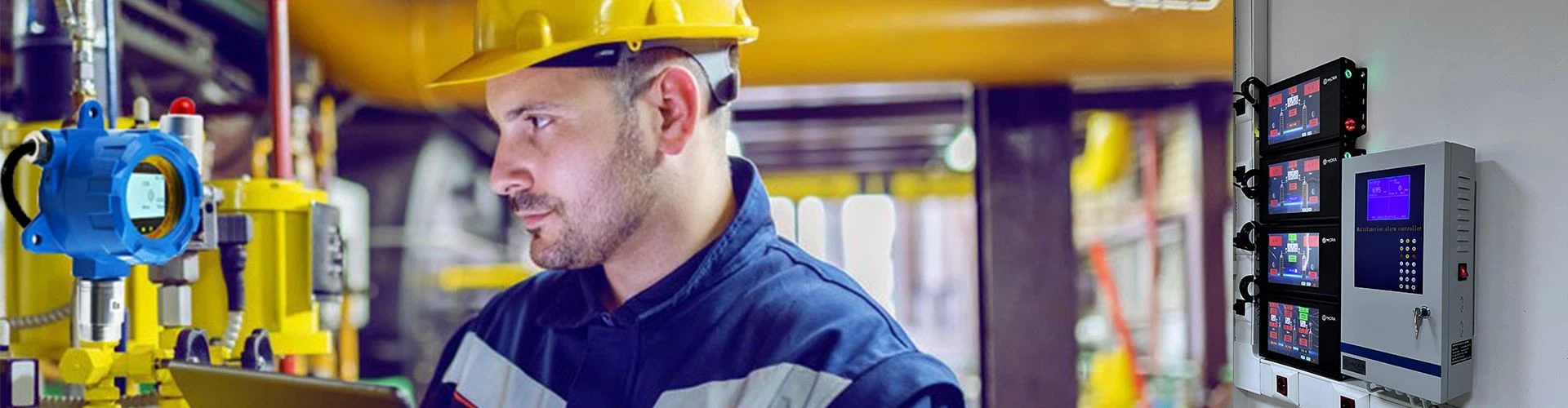
The LEL gas detector is a specialized instrument for detecting the concentration of flammable gases and is widely used in industries such as manufacturing, petroleum, chemical engineering, mining, and fire protection. The main function of the LEL gas detector is to monitor the concentration of flammable gases in the environment in real time. Once the detected concentration reaches or exceeds the set threshold, that is, the LEL value, it will issue an alarm to remind the staff to take corresponding safety measures.
1.The meaning of LEL
(1).Explosion limit: The LEL value refers to the lowest concentration at which a flammable gas can explode when mixed with air. Each flammable gas has its specific explosion limit, which varies depending on the type of gas and environmental conditions such as temperature and pressure.
(2).Safety Standards: The LEL value serves as a crucial basis for formulating safety standards. In industrial production, understanding and mastering the LEL value of flammable gases is helpful for formulating reasonable safety operation procedures and preventing the occurrence of fire and explosion accidents.
(3).Detection Threshold: The detection threshold of LEL gas detectors is typically set at 20% to 50% of the LEL value of flammable gases. When the detected gas concentration reaches this threshold, the detector will sound an alarm, prompting the staff to take emergency measures, such as cutting off the gas source and ventilating and exchanging air.
2.The working principle of LEL gas detector
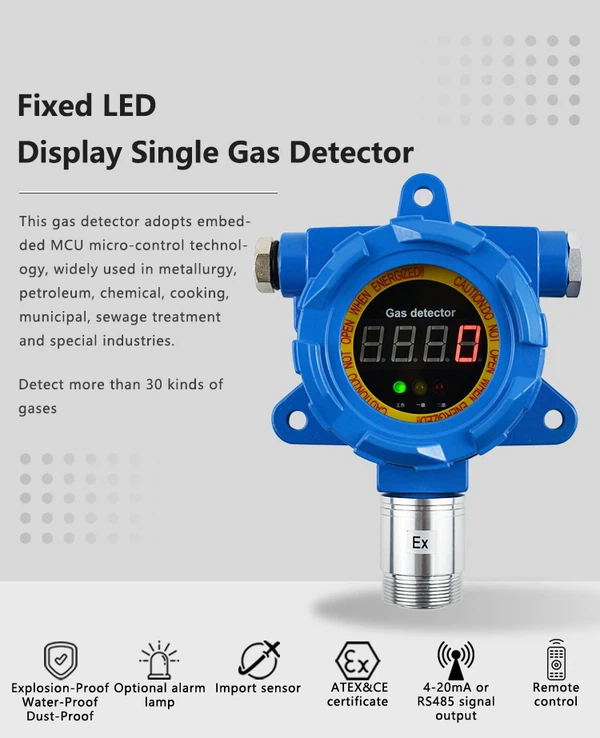
(1).Sensor: The core component of the LEL detector is the sensor. Common types of sensors include catalytic combustion type, infrared type, electrochemical type, etc. These sensors can respond to specific gases and convert gas concentrations into electrical signals.
(2).Signal processing: The electrical signals generated by the sensor are processed through amplification, filtering, analog-to-digital conversion, etc., and then sent to the microprocessor for analysis and calculation.
(3).Display and Alarm: The microprocessor compares and judges the signals based on the preset LEL value. When the detected gas concentration reaches or exceeds the LEL value, the detector will issue an alarm to the staff through sound and light alarms, display screen prompts and other means.
3.The importance of LEL gas detectors
(1).Accident prevention: LEL gas detectors can promptly detect flammable gas leaks, preventing fires and explosions caused by gas accumulation.
(2).Protecting personnel safety: In the event that the concentration of flammable gas exceeds the standard, the LEL gas detector can promptly issue an alarm to alert staff to evacuate the dangerous area and safeguard their lives.
(3).Enhance production efficiency: By monitoring the concentration of flammable gases in real time, LEL gas detectors help to promptly identify and handle abnormal situations during the production process, reduce equipment failures and production interruptions, and improve production efficiency.
The LEL gas detector is an important safety protection device. By monitoring the concentration of flammable gases in real time, it can effectively prevent fire and explosion accidents and protect the safety of personnel and equipment.