



1. About H2:
Hydrogen is a non-toxic gas, but it is flammable, explosive and suffocating. If there is a loud popping sound when burning, it means that the hydrogen gas is impure and can easily explode. Hydrogen is the lightest gas known in the world. To detect hydrogen concentration, a hydrogen detector can be used. Depending on the situation, a portable hydrogen detector or a fixed hydrogen detector can be flexibly selected. Due to the flammability of hydrogen, a flammable gas detector can also be used to detect the flammability of hydrogen.
Hydrogen can burn when the volume fraction in air is 4% to 75%. Hydrogen is a highly explosive gas when mixed with air at a concentration of 4% to 74%, or mixed with chlorine at a concentration of 5% to 95%, and can easily detonate under the stimulation of heat, sunlight or sparks. Hydrogen is not very reactive under normal conditions, but hydrogen forms compounds with most elements. There are millions of known hydrocarbons, but they are not formed by the direct combination of hydrogen and carbon. Hydrogen reacts with more electronegative elements such as halogens.
2.Hydrogen fire emergency response
Quickly evacuate personnel in the leaked contaminated area to an upwind location and isolate them to strictly restrict access. Cut off the fire source. It is recommended that emergency responders wear self-contained positive pressure breathing apparatus and fire protective clothing.Proper ventilation accelerates diffusion. If possible, use an exhaust fan to send the leaked air to an open area or install appropriate nozzles to burn it. Leaking containers must be properly repaired and inspected before use. Do not extinguish burning gas if the gas source cannot be cut off immediately. Cool the container with water spray. If possible, move the container from the fire area to an open area. Fire extinguishing media mist water, foam, carbon dioxide, dry powder.

3.How to install a fixed H2 gas leak detector?
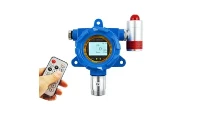
Because hydrogen is lighter than air, hydrogen flames tend to rise quickly and cause less damage than hydrocarbon combustion. So usually the H2 detector is installed 30-60cm away from the ceiling, with the sensor facing downwards.one unit hydrogen detector cover 25M2 area. Measure range 0-100%lel(0-4%vol).Stay away from places with magnets and electricity.
The combustible gas detection alarm system consists of a combustible gas detector, a combustible gas alarm controller and a fire sound and light alarm. It can alarm in advance when the concentration of combustible gas leaked in the protected area is lower than the lower explosion limit, thereby preventing combustible gas leakage. Fire and explosion accidents caused by