


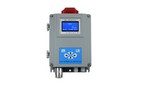
Hydrogen sulfide (H2S) gas monitors play a crucial role in ensuring the safety of workers in industries where exposure to this toxic gas is a potential risk. Over the years, technological advancements have led to the development of more sophisticated and reliable H2S gas monitor systems. Let's explore some of the recent innovations in this field.

1. Enhanced Sensor Technology: One significant advancement is the development of improved sensor technology for H2S gas detection. Traditional sensors relied on electrochemical principles, but newer sensors incorporate cutting-edge materials and designs. For example, metal-oxide semiconductor (MOS) sensors offer increased sensitivity and response times, enabling faster detection of H2S gas leaks.
2. Wireless and IoT Integration: The integration of wireless and Internet of Things (IoT) technologies has revolutionized H2S gas monitoring systems. Wireless connectivity allows for real-time data transmission, enabling centralized monitoring of multiple gas monitors from a single control center. This connectivity also facilitates remote monitoring and alerts, improving overall safety management.
3. Data Logging and Analysis: Advanced H2S gas detectors now come equipped with data logging capabilities, allowing for the collection and storage of gas concentration data over time. This data can be analyzed to identify trends, patterns, and potential sources of gas leaks, aiding in preventive maintenance and risk assessment.
4. Cloud-Based Solutions: Cloud-based platforms have emerged as a game-changer in H2S gas monitoring. Gas monitor data can be securely uploaded to the cloud, providing access to historical data, analytics, and reporting from anywhere. This facilitates seamless collaboration between multiple stakeholders and simplifies compliance documentation.
5. Wearable and Personal Gas Monitors: Innovations in miniaturization and wearable technology have led to the development of compact and lightweight personal H2S gas detectors. These devices can be worn by individual workers, providing them with real-time gas concentration readings and instant alarms in case of high H2S levels. Some wearable monitors also incorporate additional features like GPS tracking and man-down detection.
6. Improved User Interfaces: User-friendly interfaces have become a focus in recent designs. LCD screens with intuitive menus and graphical displays allow for easy configuration, calibration, and operation of the monitors. Additionally, audible and visual alarms are designed to be highly distinguishable, ensuring that workers can quickly recognize and respond to hazardous conditions.
7. Energy Efficiency and Battery Life: Energy-efficient components and power management systems have extended their battery life of it. Longer battery life reduces the frequency of battery replacements and ensures continuous monitoring without interruptions.

These advancements in H2S gas monitor technology have significantly enhanced workplace safety and risk management in industries where exposure to hydrogen sulfide is a concern. As technology continues to evolve, we can expect further innovations in these systems, leading to even greater safety and efficiency in hazardous environments.