


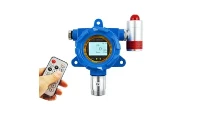

In confined spaces such as sewers or cellars, the oxygen content in the air may be too high or too low, and may also contain toxic and harmful gases. It is very dangerous to enter such confined spaces rashly. Before understanding how to enter these confined spaces safely, we must first understand why the oxygen in confined spaces is insufficient or too high.
Too low oxygen concentration can cause hypoxia in the human body, and in more serious cases, it may cause death of important organs such as the heart and brain due to hypoxia. In fact, when the oxygen detector detects the oxygen content in a confined space, it must not only consider the possible suffocation and shock of the entrants when the oxygen concentration is too low, but also consider the chemical reaction between oxygen and flammable materials in the confined space when the oxygen concentration is too high, causing fires.
The oxygen content in normal air is about 20.9%, and among other constituent gases, nitrogen accounts for more than 78%, and the rest are only trace gases such as carbon dioxide, water vapor, and carbon monoxide. Therefore, the zero point of an oxygen detector (i.e. the displayed concentration of the oxygen detector in a normal environment) is set to 20.9% or 21.0% of the calibration concentration of the oxygen sensor.
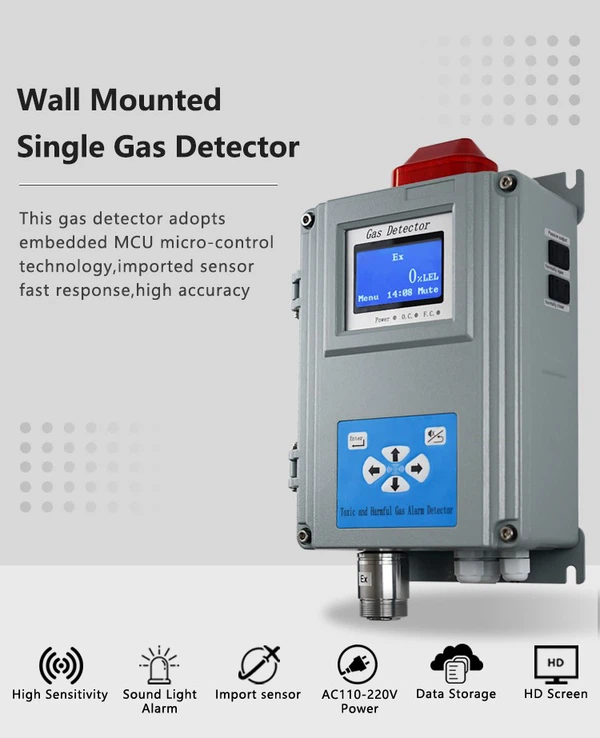
In most confined spaces, the oxygen concentration standard is determined by volume concentration. Generally speaking, when the concentration detected by the oxygen sensor is less than 19.5% of the total volume of the gas, we can determine that there is insufficient oxygen in the current environment. my country's SY/T6458-2000 and GBZ/T205-2009 regulations both stipulate that the excess oxygen concentration is 22%. Therefore, when the oxygen detector reading exceeds the volume concentration of oxygen in the normal environment by 22%, we believe that there is an excess of oxygen in the current environment. Regardless of whether the test result of an oxygen detector is too high or too low, a reasonable alarm value should be set to remind personnel that the oxygen concentration in the current environment has reached a level that can threaten human or environmental safety, so as to make timely and correct treatment decisions.
In actual life and work, the oxygen concentration is normal as long as it is around 20.9%. When the oxygen content is lower than the normal content, it indicates that other components of the air are abnormal or there are polluted gases. At this time, even if the readings measured by the oxygen sensor have not reached dangerous values, the cause of the abnormal oxygen content must be confirmed before the staff can enter the measured environment. In this case, a portable oxygen gas detector or online o2 gas monitor is a must to detect oxygen concentration in air.