


Ozone is a pale blue gas characterized by strong oxidizing properties. Under standard temperature and pressure conditions, it is relatively unstable and readily decomposes into oxygen (O₂). It possesses a distinctive, pungent odor. While low concentrations of ozone can be utilized for disinfection, sterilization, and deodorization, high concentrations pose hazards to both human health and the environment.
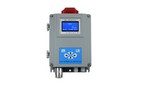
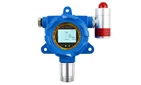
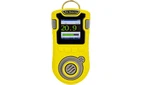
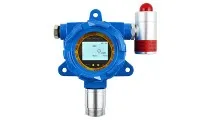
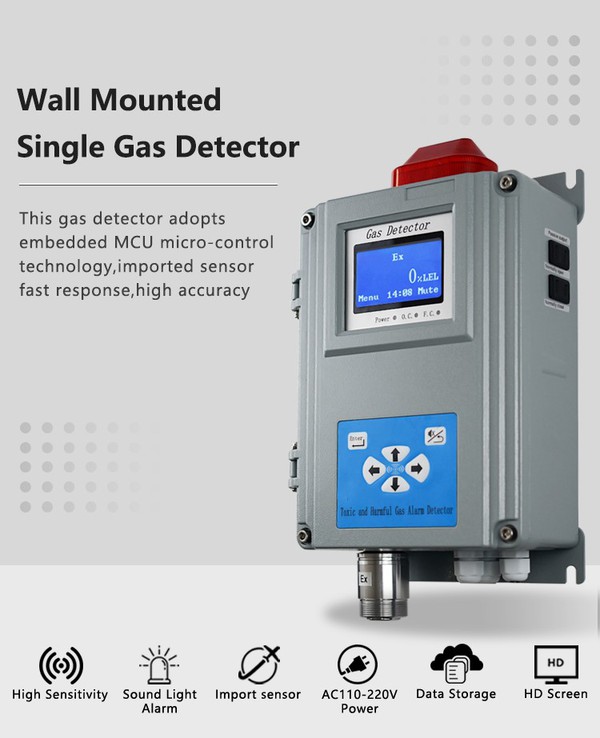
The ozone gas monitor is a specialized device designed to measure the concentration of ozone (O₃) present in the air. It is widely employed across various sectors, including industrial safety, environmental monitoring, water treatment disinfection, medical sterilization, and air quality surveillance in public venues (such as swimming pools). It serves as a critical instrument for ensuring operational safety and for preventing environmental pollution and risks to human health.
1. Working Principles of Ozone Detectors:
The core component of an ozone detector is the ozone sensor, which typically operates based on principles such such as electrochemical sensing, ultraviolet (UV) absorption, or photoionization. Specifically: Electrochemical sensors detect ozone by facilitating a redox reaction between the ozone molecules and the electrode material, thereby generating an electrical signal directly proportional to the ozone concentration. UV absorption sensors leverage ozone's strong absorption characteristics at specific UV wavelengths; by measuring the attenuation of UV light intensity, they calculate the corresponding ozone concentration. Photoionization sensors utilize the phenomenon of ozone molecules ionizing when exposed to high-energy UV light; the resulting ion current is directly proportional to the ozone concentration.
2. Signal Processing:
The raw signals generated by the sensor undergo processing-including circuit amplification and filtering-to be converted into digital or analog signals suitable for subsequent data processing and display. This process may necessitate the use of microprocessors or Digital Signal Processors (DSPs) to execute complex algorithms, thereby enhancing the accuracy and stability of the measurements.
3. Display and Output:
The processed data is presented on a display screen in either numerical or graphical formats, enabling users to intuitively monitor the current ozone concentration within their environment. Furthermore, some portable ozone detectors support data storage and data transfer to a PC, while fixed-mount ozone detectors support communication functions-such as 4-20mA and RS485 Modbus RTU-to facilitate further analysis and management of the measured data.
4.Application Areas:
Environmental Protection: In settings such as environmental monitoring stations and atmospheric observation posts, ozone testers are used to monitor atmospheric ozone concentrations, assess air quality, and prevent ozone pollution.
Industrial Safety: In industrial sectors such as chemicals, petroleum, and pharmaceuticals, ozone testers are employed to detect ozone levels within production environments, ensuring worker safety and preventing accidents caused by ozone leaks.
Food Safety: In facilities such as food processing workshops and cold storage warehouses, ozone testers are used to monitor airborne ozone concentrations, ensuring that food remains free from ozone contamination during processing and storage.
Water Treatment: In locations such as water treatment plants and municipal waterworks, ozone testers are utilized to measure ozone concentrations in water, ensuring water quality safety and preventing water-related issues caused by excessive ozone levels.