




In numerous industries-including chemical manufacturing, boiler flue gas treatment, desulfurization and denitrification, coking, pharmaceuticals, food processing, and wastewater treatment-sulfur dioxide (SO₂) is an extremely common, highly hazardous, and toxic gas. It possesses a pungent, irritating odor and is highly corrosive; it causes severe damage to the human respiratory tract, ocular mucous membranes, and lung tissue. Furthermore, prolonged exposure or exposure to high concentrations can trigger pulmonary edema, respiratory failure, or even death. Consequently, in any location where sulfur dioxide may be generated or is at risk of leaking, sulfur dioxide gas detector has become legally mandated safety monitoring equipment.
1.What are the national standard alarm thresholds for sulfur dioxide gas leak detectors?
1). Level 1 Alarm (Pre-warning Threshold): 2 ppm
The Level 1 alarm serves as a pre-warning signal. Its purpose is to alert on-site personnel and the control room that the sulfur dioxide concentration in the area is approaching a hazardous limit. This calls for heightened vigilance, increased ventilation, and an inspection for potential leak sources; however, the concentration has not yet reached a level that poses an immediate threat to life.
The Level 1 alarm threshold is established based on the permissible exposure limit for short-term contact, serving as the primary line of defense for safeguarding the health and safety of operational personnel.
2). Level 2 Alarm (Hazard Alarm Threshold): 5 ppm
The Level 2 alarm constitutes a critical hazard warning, indicating that the sulfur dioxide concentration in the area has significantly exceeded safe limits and has reached a level capable of causing acute harm to the human body. At this stage, emergency response protocols must be initiated immediately: mandatory ventilation, shut-off of the gas source, personnel evacuation, and the donning of protective equipment. Entry into the hazardous zone by any personnel not wearing appropriate protective gear is strictly prohibited.
The Level 2 alarm threshold is a legally mandated critical alarm point and constitutes a core inspection item for safety supervision, fire safety, and emergency management authorities.
3). Measurement Range and Full-Scale Reference
The standard measurement range for conventional industrial sulfur dioxide gas leak detectors is typically set at 0–50 ppm or 0–100 ppm. High-precision, low-range models are available with a range of 0–10 ppm, while high-concentration models can reach up to 0–500 ppm.
Regardless of the specific measurement range of the device, the alarm thresholds of 2 ppm for Level 1 and 5 ppm for Level 2 remain mandatory, unified requirements under national standards and must not be altered arbitrarily.
2.Huafan Sulfur Dioxide (SO2) Detection instrument
1). Sulfur Dioxide Gas Detector: Designed for the rapid detection of SO2 leaks in the air, this device utilizes a high-performance imported electrochemical sensor. It features high precision, accurate measurement, strong anti-interference capabilities, and stable performance. With its high sensitivity and rapid response time, it can accurately and promptly detect the presence of SO2 and issue early warning signals to alert personnel, thereby preventing accidents. The standard measurement range for the Huafan SO2 detector is 0–100 ppm; however, the detection range can be customized to meet the specific requirements of the on-site environment.
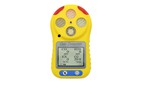
2). Sulfur Dioxide Detection and Control: The detector monitors and controls gas levels at the site. When the concentration of the detected gas exceeds the preset alarm threshold, the portable detector triggers audible, visual, and vibration alarms, while the fixed-type detector triggers audible and visual alarms.
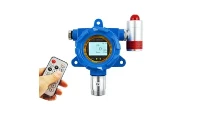
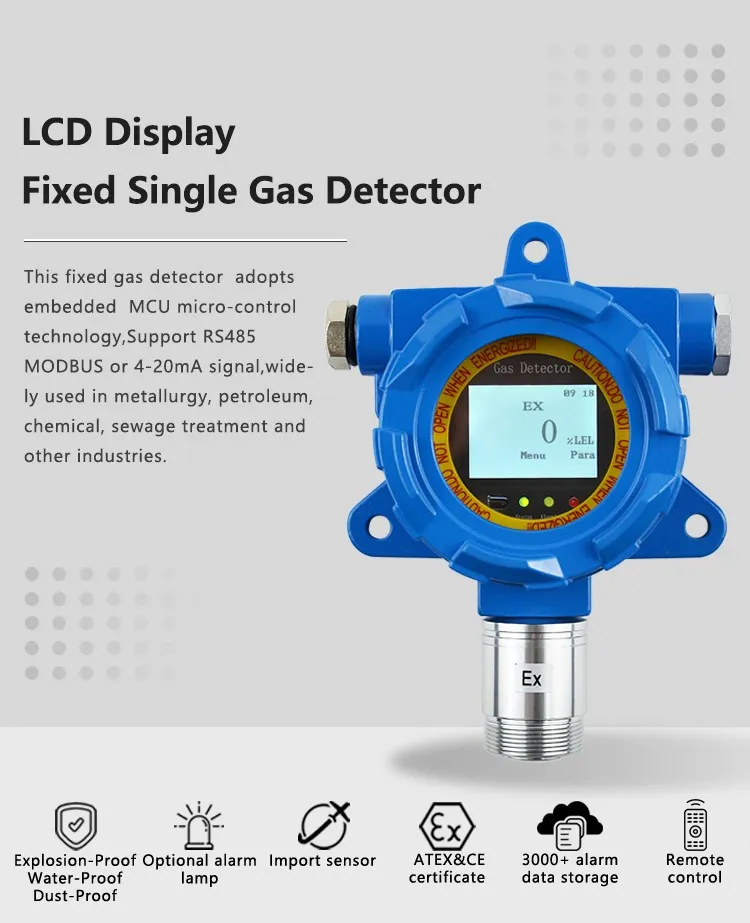
3). Fixed-Type Sulfur Dioxide Detector: This unit is designed for continuous, long-term monitoring and control of sulfur dioxide levels at a specific site. It can be directly integrated into PLC or DCS systems to enable communication capabilities, ensuring that alarm signals are transmitted immediately and potential safety hazards are promptly eliminated.