


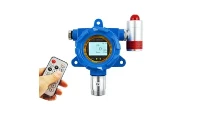

In industrial settings where safety is paramount, the detection of hazardous gases is a critical concern. Among these gases, acetylene (C2H2) stands out as one that requires special attention due to its highly flammable nature. To address this safety concern, there are two primary options available: C2H2 gas detectors and multi-gas detectors. In this article, we will explore the differences between these two types of detectors and help you determine which one suits your specific needs.
1). C2H2 Gas Detectors
Fixed C2H2 gas detectors are designed specifically for the detection of acetylene gas. They are highly specialized and calibrated to provide accurate readings for C2H2 concentration levels. Here are some key features and advantages of it:
High Sensitivity: C2H2 detectors are extremely sensitive to acetylene gas, which means they can detect even trace amounts of it in the air. This sensitivity is crucial when dealing with a highly flammable gas like acetylene.
Specificity: These detectors are tailored to acetylene and do not respond to other gases. This specificity eliminates false alarms that might be triggered by multi-gas detectors when other gases are present.
Accuracy: It provide precise measurements of acetylene concentration, ensuring that any increase in C2H2 levels is detected immediately.
Safety Focus: They are ideal for environments where acetylene is the primary concern, such as welding shops and areas where acetylene is stored.
However, Fixed C2H2 gas detectors also have limitations:
Single Gas Detection: They are designed solely for acetylene detection and cannot identify other hazardous gases that may be present in the environment.
Limited Versatility: If your facility deals with multiple types of hazardous gases, you would need additional detectors for each gas, increasing the complexity of your safety equipment.

2). Multi-Gas Detectors
Multi-gas detectors, on the other hand, are versatile devices that can detect a variety of gases, including C2H2, as part of their capabilities. These detectors are designed to address a broader range of safety concerns and offer several advantages:
Comprehensive Safety: Multi-gas detectors can monitor multiple gases simultaneously, making them suitable for environments where various hazardous gases may be present.
Cost-Effective: Instead of purchasing separate detectors for each gas, a multi-gas detector can provide a cost-effective solution by covering multiple gas detection needs in one device.
Flexibility: They can be programmed to detect specific gases relevant to your industry or application, ensuring that your safety needs are met.
Real-time Data: Multi-gas detectors often come equipped with data logging and real-time monitoring capabilities, allowing for better tracking of gas levels over time.
Alarm Systems: These detectors usually have adjustable alarm thresholds for different gases, providing a customizable safety solution.
Despite their versatility, multi-gas detectors also have limitations to consider:
Sensitivity: While they can detect multiple gases, their sensitivity to each specific gas may not be as high as that of dedicated gas detectors.
Calibration Complexity: Calibration and maintenance may be more complex due to the need to account for multiple gases.
3). Which One Do You Need?
The choice between C2H2 gas detectors and multi-gas detectors ultimately depends on the specific requirements of your workplace:
Choose C2H2 Detectors If: Your primary concern is acetylene safety, and you want the highest sensitivity and accuracy for C2H2 detection. This is particularly important in environments like welding shops.
Choose Multi-Gas Detectors If: Your facility deals with multiple hazardous gases, and you require a versatile solution that can detect a range of gases simultaneously. Multi-gas detectors offer flexibility and cost-effectiveness in such scenarios.
In many cases, a combination of both types of detectors may be the best approach to ensure comprehensive gas detection and safety in complex industrial environments. Consulting with safety experts and considering the specific gases present in your workplace will help you make an informed decision about which type of detector or combination of detectors is best suited for your needs.
C2H2 gas detectors and multi-gas detectors each have their unique strengths and applications in industrial safety. The choice between them depends on the specific hazards present in your workplace and your need for sensitivity, accuracy, and versatility. Understanding the differences between these detectors is essential for creating a safer working environment and mitigating the risks associated with hazardous gases like acetylene.