


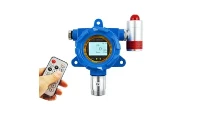

When it comes to acetylene gas detection, the safety of workers and the surrounding environment is paramount. Acetylene is a highly flammable and potentially explosive gas used in various industrial applications, including welding and cutting operations. To protect personnel and property from the dangers of acetylene leaks, it's essential to invest in the right gas detection system. One important decision to make is whether to opt for fixed or portable acetylene gas detectors. In this article, we will compare the two and help you determine which is the best choice for your specific needs.
Fixed acetylene gas detectors are stationary devices installed in specific areas where acetylene is used or stored. Here are some key considerations when assessing the use of fixed detectors:
Continuous Monitoring: Fixed detectors provide continuous monitoring of acetylene levels in a specific location. They are designed to detect even minute increases in gas concentration and trigger alarms if levels become unsafe.
Area Coverage: These detectors can cover a relatively large area, making them suitable for monitoring gas in confined spaces, workshops, or production facilities.
Wired Installation: Fixed detectors are typically hardwired into the electrical system, requiring professional installation. This provides a stable power source and ensures consistent operation.
Centralized Alarms: Alarms from fixed detectors are typically relayed to a centralized control panel, which can be monitored by trained personnel or integrated with building management systems for automated responses.
Calibration and Maintenance: Regular calibration and maintenance are essential for fixed detectors to ensure accuracy and reliability. This often requires trained technicians.
Cost Considerations: Initial setup costs, including installation, can be higher for fixed detectors. However, they provide continuous protection and may be more cost-effective in larger or high-risk areas.
Portable acetylene gas detectors, on the other hand, are handheld or wearable devices designed for on-the-go monitoring. Here are some key considerations when assessing the use of portable detectors:
Mobility: Portability is the primary advantage of these detectors. They allow users to move around and monitor acetylene levels at different locations or during specific tasks.
Personal Safety: Portable detectors are ideal for ensuring the safety of individual workers who may be exposed to acetylene, such as welders, maintenance personnel, or emergency responders.
Battery-Powered: These detectors are typically battery-powered, making them suitable for use in remote or temporary locations where a fixed power source may not be available.
Direct User Interaction: Portable detectors provide immediate feedback to the user, with audible, visual, and vibrating alarms. This direct interaction allows users to take prompt action if acetylene levels rise.
Calibration and Maintenance: Users can perform basic maintenance and calibration on portable detectors. This makes them more self-sufficient and reduces the need for specialized technicians.
Cost Considerations: While the initial cost of portable detectors is lower, ongoing expenses may include battery replacement and routine maintenance.

Choosing the Right Type of Detector:
The choice between fixed and portable acetylene gas detectors depends on several factors:
Risk Assessment: Consider the specific risks associated with acetylene use in your facility. If the potential for leaks is high and widespread, fixed detectors may be the better choice.
Mobility Needs: Evaluate whether personnel need to move around and monitor acetylene levels at different locations. Portable detectors are suitable for scenarios where mobility is crucial.
Regulatory Requirements: Ensure compliance with local safety regulations and industry standards, which may dictate the use of specific detector types.
Budget Constraints: Your budget and available resources will influence your decision. While fixed detectors have higher upfront costs, they offer continuous protection.
Personnel Training: Consider the level of training and expertise available for detector operation, calibration, and maintenance. Portable detectors may be more user-friendly in this regard.
Integration with Systems: Determine if you need your gas detection system to integrate with other safety or building management systems, as this can influence the choice of detector type.
The choice between fixed and portable acetylene gas detectors ultimately depends on the unique needs and circumstances of your facility or operation. In many cases, a combination of both types may be the most effective approach. Fixed detectors provide continuous area monitoring, while portable detectors ensure the safety of individual workers and offer flexibility in responding to changing conditions. Ultimately, the goal is to create a comprehensive gas detection strategy that prioritizes safety and compliance while being mindful of your budget and operational requirements.