


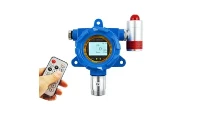

Navigating the market for Multi Gas Personal Monitors requires thoughtful consideration of various factors to ensure that you select the right device for your specific needs.
1. Identify Your Gas Detection Needs:
Begin by identifying the specific gases you need to monitor in your work environment. Different industries may have distinct requirements, so understanding the types and concentrations of gases you are likely to encounter is crucial.
2. Number of Gas Sensors:
Consider the number of gas sensors the monitor has. Multi-gas personal monitors typically come with sensors for detecting a range of gases, such as hydrogen sulfide (H2S), methane (CH4), carbon monoxide (CO), and oxygen (O2). Ensure that the monitor you choose can detect all the relevant gases for your workplace.
3. Sensor Technology:
Evaluate the sensor technology used in the device. Advances in sensor technology contribute to accuracy and reliability. Electrochemical sensors are common for detecting toxic gases, while infrared sensors are often used for combustible gases.
4. Measurement Range:
Check the measurement range of each gas sensor. Ensure that the monitor can accurately measure the concentrations of gases within the expected range of exposure in your workplace.
5. Response Time:
The response time of the monitor is crucial in emergency situations. Faster response times enable quicker detection of hazardous conditions, allowing for prompt action to mitigate risks.
6. Alarming Features:
Assess the alarming features of the multi-gas monitor. Look for customizable alarms, both audible and visual, to ensure that workers are alerted promptly in the event of gas exposure. Vibrating alarms can be particularly useful in noisy environments.

7. Data Logging and Storage:
Consider whether the monitor has data logging capabilities. The ability to record and store data is valuable for analyzing trends, demonstrating compliance, and conducting post-incident investigations. Check the storage capacity and the ease of accessing logged data.
8. Display and User Interface:
Evaluate the readability and intuitiveness of the display. A clear and well-organized interface is essential for users to quickly interpret gas readings and alarms. Backlit displays can be advantageous in low-light conditions.
9. Durability and Build Quality:
Assess the durability and build quality of the multi-gas personal monitor. It should be rugged enough to withstand the conditions of your workplace, including potential exposure to dust, water, and impacts.
10. Battery Life:
Consider the battery life of the monitor, especially if workers are in the field for extended periods. A longer battery life reduces the frequency of recharging or battery replacements, enhancing the overall usability of the device.
11. Size and Weight:
Evaluate the size and weight of the monitor, especially if workers need to carry it throughout their shifts. A compact and lightweight design contributes to user comfort and ensures that the monitor doesn't impede movement.
12. Compliance and Certification:
Ensure that the multi-gas personal detector meets relevant safety standards and certifications. Compliance with regulations such as ATEX, CSA, and IECEx is crucial for guaranteeing the reliability and safety of the device.
By carefully considering these factors, you can confidently choose a Multi-Gas Personal Monitor that aligns with your workplace requirements, contributing to a safer and more secure environment for your personnel.