


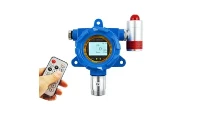

As a combustible gas, natural gas can burn with air to release a large amount of heat under normal circumstances. The normal natural gas combustion process is relatively stable and controllable. However, if natural gas leaks in a space with poor air circulation, it will accumulate in the room. When the concentration of natural gas exceeds 5%, once it encounters an open flame or an electric spark, the natural gas will immediately burn uncontrollably and violently, and then the volume expansion triggers an explosion.
Natural gas itself is colorless and odorless. In order to make people detect natural gas leaks, hydrogen sulfide or odorous chemicals containing mercapto groups are added to the natural gas used by residents. If natural gas leaks, we will smell something like rotten eggs. If you are away from a natural gas source or are asleep, you may not be able to smell natural gas. For safety reasons, a natural gas alarm or flammable gas alarm can be installed in the kitchen.
Natural gas leaks generally occur at connections, so you should regularly check the condition of your home's burning appliances. Old burning appliances should be replaced in time to prevent pipelines and interfaces from aging, and gas companies will also regularly inspect natural gas pipelines.

Preventing gas explosion accidents is paramount for the safety of individuals and the surrounding environment. The importance of methane (CH4) gas detectors cannot be overstated in this endeavor.
Early Detection:
CH4, commonly known as methane, is a flammable and potentially explosive gas. Installing methane gas detectors is a proactive measure to achieve early detection of leaks. These detectors continuously monitor the air for the presence of methane and trigger alarms when concentrations exceed safe levels.
Swift Response and Evacuation:
The key role of CH4 gas detectors lies in providing swift response mechanisms. Upon detecting elevated methane levels, detectors activate alarms, allowing for immediate evacuation and emergency response. This rapid reaction is critical in preventing the accumulation of explosive concentrations and mitigating the risk of a catastrophic event.
Continuous Monitoring and Maintenance:
Regular maintenance and calibration of CH4 gas detectors are essential to ensure their ongoing reliability. Continuous monitoring and prompt resolution of any issues with the detectors contribute to a proactive safety approach, reducing the risk of false alarms or undetected leaks.
The installation of CH4 gas detectors is a fundamental step in preventing gas explosion accidents. These detectors serve as a first line of defense, providing early detection, swift response, and the crucial time needed for evacuation and mitigation efforts. Investing in reliable methane gas detection systems is an integral component of a comprehensive safety strategy in industries and environments where the risk of methane exposure exists.