


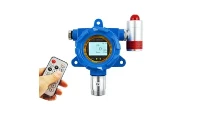

In recent years, there have been frequent incidents of ammonia leaks and explosions in China. Ammonia leaks in cold stores, aquatic food factories, ammonia equipment workshops, fertilizer plants, chemical plants, and tank farms have caused serious damage to the country and people's lives and property. The loss has aroused widespread concern in the whole society, and the prevention of ammonia leakage should also attract everyone's great attention and actively take preventive measures.

Hazards and prevention of ammonia leakage accidents:
Ammonia characteristics
Ammonia is one of the hazardous chemicals with a high incidence of hazardous chemical accidents in my country. Ammonia is also called liquid ammonia. It is a toxic and combustible gas. Ammonia has a wide range of uses. It is used as a refrigerant for cold storage, etc. It is colorless, has a pungent odor, and is strongly alkaline in liquid state. It forms an explosive mixed gas with air, which can cause combustion and explosion when exposed to open fire or high temperature. Ammonia gas is highly corrosive and has a corrosive and irritating effect on the skin tissues that come into contact with it. After ammonia gas poisoning, the throat and mouth feel obviously irritated. When ammonia gas is inhaled into the human body, it easily enters the blood through the alveoli, combines with hemoglobin, and destroys the oxygen transport function. When the concentration of ammonia in the air reaches 500-700mg/m3, "lightning" death may occur. Excessive inhalation of ammonia will lead to high ammonia concentration in the blood, which will cause cardiac arrest and respiratory arrest, which is life-threatening.

Ammonia Leak Escape Skills
The firefighters reminded that in case of ammonia gas leakage, the police should be called immediately, and at the same time, they should quickly cover the mouth and nose with a wet towel, and quickly move away from the scene (generally 50 meters away from the upwind direction, and the farther the downwind direction, the better). When you find someone around you who is poisoned by ammonia gas, take them away from the scene and make them lie still and inhale oxygen; if your eyes and skin are burned by ammonia gas, you can wash them thoroughly with clean water or 2% boric acid solution, apply antibiotic eye drops, and send them to the hospital for treatment.
In addition to mastering basic escape skills, monitoring and preventing accident-prone places and installing flammable gas/toxic gas leakage alarms can effectively reduce accidents and disasters.
The national standard stipulates that in places where flammable/toxic gas exists, a gas detector should be installed within a circle with a radius of 7.5 meters to detect the leakage of flammable/toxic gas. Once the flammable/toxic gas leaks, the gas detector will Sound and light alarms are used to remind people to take emergency measures to prevent accidents.
It is recommended that relevant enterprises install point-type gas detectors in places where flammable/toxic gases are easy to leak, and configure sound and light alarms with high buzzing value, and install alarm controllers in monitoring rooms without harmful gases. Gas detectors form a gas monitoring system. Once the gas leaks, the gas monitoring system will faithfully issue an alarm to remind people to take emergency measures to avoid risks.