


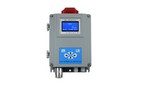
A Cl2 gas detector is a device designed to measure and monitor the concentration of chlorine gas in the surrounding environment. Chlorine gas is widely used in various industries, such as water treatment, chemical manufacturing, and disinfection processes. However, chlorine gas is highly toxic and can pose serious health risks if released or leaked into the air. Therefore, it is crucial to have reliable gas detection systems in place to ensure the safety of workers and the general public.
The basic principle behind a Cl2 gas detector involves the use of sensors that can detect and quantify the presence of chlorine gas. There are different types of sensors used in these detectors, but the most common ones are electrochemical sensors and gas-specific optical sensors.
Electrochemical sensors rely on a chemical reaction that occurs when chlorine gas interacts with a sensing electrode. The sensor consists of a sensing electrode and a counter electrode, separated by an electrolyte. When chlorine gas is present, it diffuses into the sensor and reacts with the sensing electrode. This reaction generates an electrical current that is proportional to the concentration of chlorine gas in the environment. The detector's electronics measure this current and convert it into a concentration reading, which is then displayed on the detector's screen.
Gas-specific optical sensors use light absorption or emission properties to detect the presence of chlorine gas. These sensors typically consist of a light source, a chamber containing the sample gas, and a detector. The light source emits a specific wavelength of light that is absorbed or scattered by the chlorine gas molecules. The detector measures the intensity of the transmitted or scattered light, and this measurement is used to determine the concentration of chlorine gas in the environment.

In both types of sensors, the detectors are calibrated using known concentrations of chlorine gas to establish a baseline for accurate measurements. This calibration process ensures that the detector provides reliable and precise readings over time.
Cl2 gas detectors often include additional features to enhance safety and usability. For example, they may have visual and audible alarms to alert users when the chlorine gas concentration exceeds a predefined threshold. Some detectors also offer data logging capabilities, allowing users to record and analyze gas concentration levels over time. This data can be valuable for identifying trends, evaluating potential hazards, and implementing appropriate
safety measures.
Regular maintenance and calibration are essential for ensuring the continued accuracy and reliability of Cl2 gas detectors. Periodic sensor replacement, verification of alarm functionality, and adherence to manufacturer guidelines are necessary to keep the detector in optimal working condition.
A Cl2 gas detector employs sensors, such as electrochemical or gas-specific optical sensors, to measure and monitor chlorine gas concentrations. These sensors detect the presence of chlorine gas by initiating chemical reactions or analyzing light absorption or emission properties. The detectors convert the sensor outputs into concentration readings, which are displayed on the detector's screen. Additional features, such as alarms and data logging, enhance the safety and usability of these detectors. Regular maintenance and calibration are vital for ensuring accurate and reliable gas concentration measurements.