


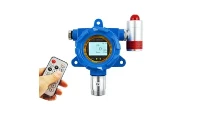

Choosing the right portable 4 in 1 gas detector is critical for ensuring safety in hazardous environments. A portable gas detector is designed to detect the presence of gases in the environment and alert the user if the concentration of these gases exceeds a certain threshold. When selecting a 4-in-1 gas detector, there are several key factors to consider.

Gas Detection Requirements
The first factor to consider when selecting a gas detector is the specific gases that need to be detected. Different detectors are designed to detect different gases, and it is essential to choose a detector that can detect the gases that are present in the environment. For example, some detectors are designed to detect combustible gases, while others are designed to detect toxic gases. Ensure that the detector you choose can detect the gases present in your work environment.
Sensor Types
Another important factor to consider when selecting a portable 4 in 1 gas detector is the type of sensors used. Different sensors are better suited for different gases, and it is essential to choose a detector with the appropriate sensor for the gases that need to be detected. For example, electrochemical sensors are ideal for detecting toxic gases, while infrared sensors are better suited for combustible gases.
Battery Life
Battery life is another essential factor to consider when selecting a portable 4 in 1 gas detector. Depending on the job requirements, you may need a detector with a longer battery life. Consider the battery life of the detector you choose and whether it is sufficient for your needs. Some detectors come with rechargeable batteries, while others use disposable batteries. Choose a detector with a battery that meets your requirements.
Durability
Durability is critical when selecting a gas detector. The detector must be able to withstand the conditions of your work environment. Consider the level of ruggedness required for your job and select a detector that is designed to withstand those conditions. For example, if you work in an environment with a lot of dust or water, you may need a detector with an IP rating that protects it from dust and water ingress.
Ease of Use
Choose a detector that is easy to use and operate, especially if you will be using it frequently. Consider the user interface of the detector and whether it is intuitive and easy to understand. Some detectors come with additional features, such as audible alarms or vibration alerts, to alert the user when gas concentrations reach dangerous levels.
Size and Weight
Consider the size and weight of the detector, especially if you need to carry it around with you for extended periods. Some detectors are designed to be lightweight and portable, while others are bulkier and heavier. Choose a detector that is comfortable to wear and easy to transport.
Additional Features
Finally, consider the additional features that come with the detector. Some detectors come with data logging capabilities that allow you to track gas concentrations over time. Others come with Bluetooth connectivity, allowing you to download data to a mobile device or computer. Consider whether these features are essential for your job requirements.
Selecting the right portable 4 in 1 gas detector is essential for ensuring safety in hazardous environments. By considering these factors, you can select a detector that meets your job requirements and helps keep you safe.