



The water and wastewater industry produces many toxic and flammable gases that need to be detected and removed. Due to different application methods, locations and treatment processes, the harmful gases produced are very different, but the solution is the same - that is, the combination of fixed and portable gas detection instruments.

Most water plants still use chlorine gas treatment, but some plants are turning to other alternatives, such as ozone, chlorine dioxide or sodium hypochlorite. In addition, these plants that still use chlorine often use sulfur dioxide to remove chlorine from the water after water treatment. All gases mentioned above are hazardous substances and must be effectively monitored. It only takes very low concentrations of sulfur dioxide to be harmful to life. Chlorine, on the other hand, is dense and can be quickly absorbed by most substances, making its detection difficult in storage areas. Recently, more and more attention has been paid to the concentration of carbon dioxide in the enclosed space of the chalk region.
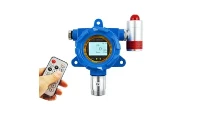
Due to the different types of hazardous gases and the need for personnel to enter certain areas of the water treatment plant, a combination of portable and fixed gas detection equipment is often required. Gas storage areas, ozone generators, rooms through which gas pipes pass, and water treatment plants should always have fixed detectors for specific gases (or gas mixtures). In addition, when operators need to enter enclosed spaces where hazardous gases are present, even if fixed detectors have been installed in these places, portable detectors should be carried with them as an additional safety precaution. In addition, these portable detectors can detect either a single gas or multiple gases upon request.