



LPG (Liquefied petroleum Gas) refers to a liquefied mixture of oil and gas, consisting of hydrocarbons such as propane (C3H8) and butane (C4H10). In contrast to LNG (liquefied natural gas), LPG is mainly used for heating, cooking and fuel use in the domestic, commercial and industrial sectors.
Liquefaction of LPG is achieved by pressurizing and cooling natural gas to change it from a gas to a liquid state. It has a high energy density and is easy to store and transport. LPG is stored in steel or composite pressure vessels to suit different usage scenarios and needs.
LPG is usually obtained through the accessory gas produced during petroleum refining, the separation of natural gas, and the extraction of methane gas. As a clean fuel, LPG contains relatively little sulfur and harmful particulate matter, and the exhaust gas produced when burned is more environmentally friendly.
LPG is widely used in home cooking, heating, hot water supply, cooking equipment in commercial places such as hotels, restaurants and automotive fuel. It is considered a flexible and versatile energy source that is versatile and cost-effective.
LPG gas detectors are important safety devices used to detect gas leaks in homes and commercial properties. LPG gas is commonly used for cooking, heating, and powering various appliances. However, if not handled properly, it can pose a serious safety risk including fire or explosion. Thus, it is important to have an LPG gas detector installed in your property.

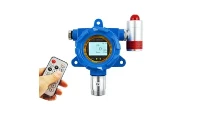
Liquefied petroleum gas gas alarm is mainly used to detect the content of liquefied petroleum gas in the air, when the concentration of liquefied petroleum gas reaches or is higher than the predetermined level, the detector will output 4-20mA standard signal or RS485 protocol signal, the gas alarm controller immediately sends an audible and visual alarm and drives the exhaust or solenoid valve and other peripheral actions. Prevent explosion, fire, poisoning accidents.
The detector adopts imported sensor combined with high-speed and high-precision processing circuit, which has the advantages of signal stability, high precision, good repeatability, etc., and adopts explosion-proof design, which is suitable for various dangerous occasions. Instrument output a variety of standard signals, can be compatible with a variety of alarm systems, PLC, DCS and other control systems. The instrument is widely used in petroleum, chemical industry, metallurgy, fire protection, coal mine, electric power, shipping, environmental protection, telecommunications, medical and other industries.
Industrial LPG gas detectors are essential safety devices used to monitor the presence of dangerous gas levels in the work environment. To ensure their effectiveness and longevity, Regular Calibration: Regular calibration of the industrial LPG gas detector is essential to maintaining its accuracy. The calibration involves exposing the sensor to a known concentration of LPG gas to measure its response. A deviation from the expected response warrants recalibration that can be done by a professional. Check Sensor Condition: The sensor of the industrial LPG gas detector is the most crucial component of the device. It senses the presence of gas and translates it into an electrical signal. Ensure the sensor is in good condition regularly and replace it if it is damaged or broken.