


Hydrogen sulfide is a flammable, colorless gas characterized by a distinctive rotten-egg odor. It is rarely utilized directly in industrial production; rather, exposure to hydrogen sulfide typically occurs as a byproduct of specific chemical reactions, the natural decomposition of proteins, or as an impurity within other substances. Industries with a high risk of hydrogen sulfide exposure include wastewater treatment, paper manufacturing, petroleum refining, fertilizer production, synthetic fiber manufacturing, and the production of certain chemical raw materials.
.
1.Primary Applications of Hydrogen Sulfide
Hydrogen sulfide is widely present in manufacturing processes such as coke production, petroleum refining, metal smelting, natural gas purification, coal gas production, leather tanning, pharmaceuticals, paper manufacturing, and the synthesis of chemical fibers. It serves a dual role: acting as a harmful gas that pollutes the environment, while also representing a valuable sulfur resource that can be converted and synthesized into a variety of chemical products. Currently, nationwide hydrogen sulfide emissions exceed 10 million tons per year; consequently, the effective monitoring of these emissions is of paramount importance for both environmental protection and overall operational efficiency.
2.What are the Common Applications of H2S Detectors?
H2S detectors are primarily used for the real-time monitoring of hydrogen sulfide concentrations within an environment. They provide alerts-typically via audible alarms, visual signals, or vibration-to prevent incidents involving poisoning, fires, or explosions. Based on their method of deployment, these detectors are broadly categorized into two types: portable and fixed units.

Designed for personal safety protection, such as conducting safety checks prior to entering confined spaces.
Support mobile inspections and temporary work monitoring (e.g., during sampling, water draining, oil tank inspections, etc.).
Typically feature triple-mode alarms (audible, visual, and vibration), data logging capabilities, and displays for peak concentrations or Time-Weighted Averages (TWA).
Generally possess an IP65/IP67 ingress protection rating, with some models capable of withstanding drop tests (e.g., from a height of 7.6 meters).

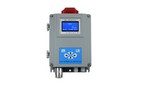
Designed for 24-hour continuous online monitoring, this unit is installed in areas with a high risk of gas leakage (such as pump stations, tank farms, and sewage treatment basins).
It outputs 4–20 mA or RS-485 signals, allowing for integration with DCS, PLC, or central monitoring systems.
It supports emergency response measures such as remote alarms and the interlinked activation of ventilation systems or shut-off valves.
5.Typical Application Scenarios Include:
Petrochemical plants; natural gas extraction and transmission facilities
Sewage treatment plants; underground utility tunnels; waste transfer stations
Coal mining, metallurgy, pulp and paper, pharmaceutical, and other industrial sectors
Operations within confined spaces (e.g., storage tanks, tunnels, ship holds).