


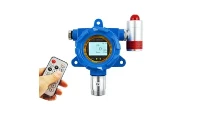

Deep in the mine, a reliable gas detector is a guardian of miners' lives. The mining environment is complex and dangerous, making the selection of the right equipment crucial. How to choose a mine gas detector?
Mine gas detectors operate in extremely unique and harsh environments. Mines are typical confined spaces, characterized by strong enclosure, poor ventilation, and the tendency for gases to accumulate. Major risks include oxygen deficiency, excessive levels of toxic gases such as hydrogen sulfide and carbon monoxide, and leaks of combustible gases. The instrument must be able to operate stably under extreme conditions of high humidity, high dust levels, and potential explosion risks.
1.When selecting a mine gas detector, the first thing to consider is its sensor type and detection capabilities.
Catalytic combustion sensors are typically used for combustible gases, such as methane.
Electrochemical sensors are suitable for detecting oxygen and carbon monoxide.
For mining environments, a four-in-one or five-in-one composite detector is generally recommended, capable of simultaneously monitoring key indicators such as oxygen, hydrogen sulfide, carbon monoxide, and combustible gases, achieving multi-parameter monitoring.

2.Prioritize Sampling Methods and Protective Performance
In confined spaces such as mines, the sampling method of the detector is crucial. A pump-suction sampling method must be used, actively extracting gas through a built-in air pump to ensure rapid and accurate detection of gas distribution in complex spaces, allowing for pre-entry assessment.
Protection level and explosion-proof design directly affect equipment reliability. Mining detectors need high protection levels (such as IP65 or IP67) and specialized explosion-proof certifications conforming to mining standards; this is a mandatory requirement for safe underground operations.
3.Master Key Usage and Maintenance Points
When selecting a detector, long-term convenience and cost should also be considered.
Portability and Durability: The instrument should be lightweight (ideally weighing no more than 1 kg), made of impact-resistant materials, and capable of supporting continuous operation for extended periods (battery life should ideally be at least 12 hours).
Alarm Function: The audible and visual alarms must be reliable; the alarm sound level should typically be no less than 80 dB, and the light signal should be clearly visible in dark environments.
Regular Maintenance: Most gas detectors require monthly zero-point and range calibrations, and electrochemical sensors typically need replacement every two years to ensure detection accuracy.
4.Comparing Different Configurations
Mining gas detectors offer various configuration options, primarily categorized as follows:
Two-in-One Gas Detector:Typically monitors methane and oxygen. Features include portability (approximately 180g) and long battery life (over 12 hours), commonly used in coal mine working faces and roadways.
4 in 1 Gas Detector:Simultaneously monitors methane, oxygen, carbon monoxide, and carbon dioxide. It enables simultaneous monitoring of multiple parameters, features comprehensive audible and visual alarms, and is suitable for environments with risks of gas explosions and coal and gas outbursts.
Five-in-One Detector:In addition to the four-in-one configuration, it adds monitoring for gases such as hydrogen sulfide, providing broader coverage of hazardous gases. It often employs pump-suction sampling, making it suitable for more complex mine environments.
When selecting a detector, please carefully consider the specific risks of your mine, regulatory requirements, and budget, taking all these factors into account to ensure the safety of miners.